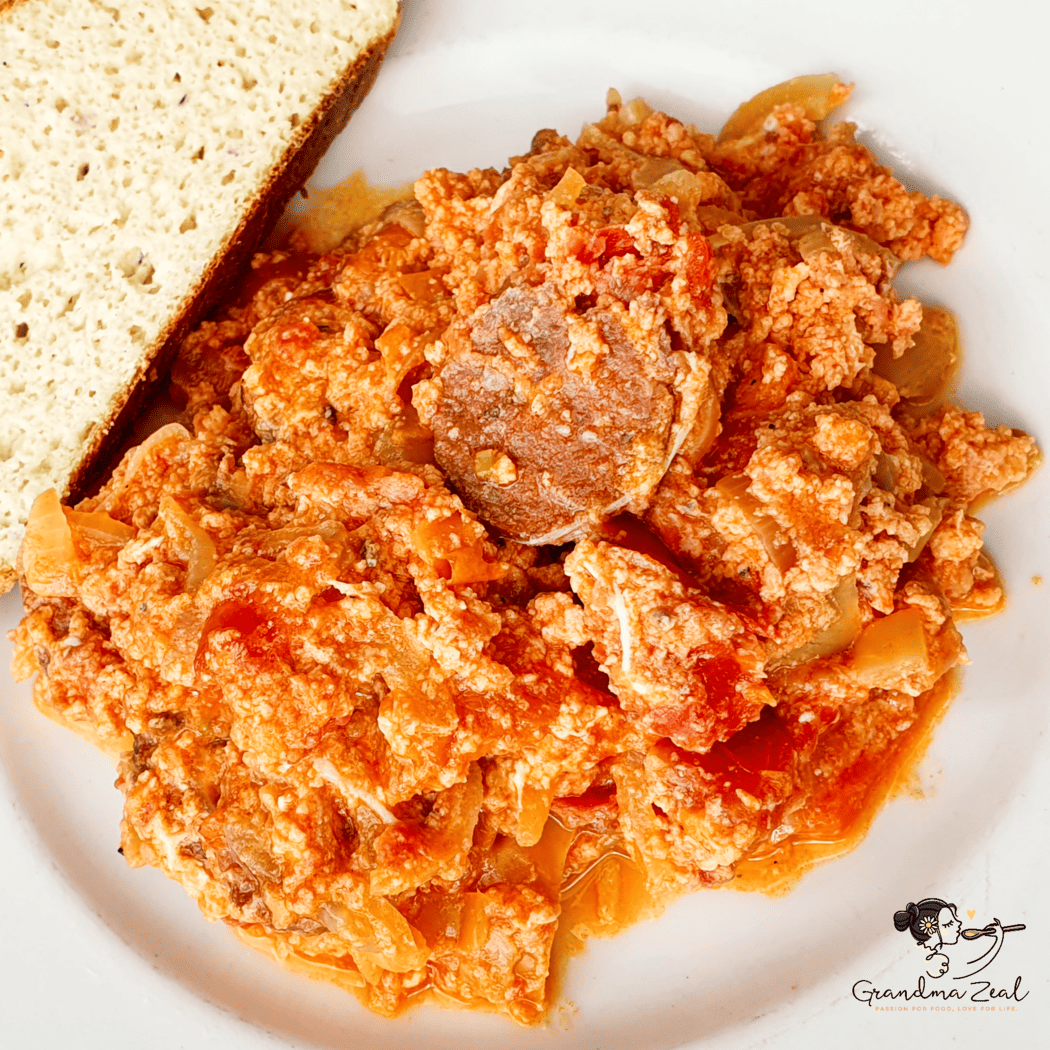
Hungarian lecso is a simple yet flavourful tomato and pepper stew loved across Eastern Europe. Made with basic ingredients like tomatoes, peppers, and onions, this vegetarian Hungarian dish is a staple in many homes, and once you try it, you’ll understand why.
This is one of those Eastern European recipes that proves comfort food doesn’t have to be complicated. Whether you’re looking for a quick lunch, a tapas-style side dish, or something warm to eat on a cold day, this lecso recipe delivers. Serve it with eggs or sausage, or enjoy it on its own for a delicious tomato pepper stew that’s budget-friendly and satisfying.
What Do You Need To Make This Tomato Pepper Stew
Ingredients:
Essentials:
- Oil or butter
- Onion
- Tomatoes (fresh or tinned)
- Salt
- Black pepper
Optional Add-ins:
- Bell peppers or green paprika
- Potatoes (for a twist like patatas bravas)
- Green beans to make Fagiolini in Umido
- Chorizo or German-style sausage
- Eggs
- Chillies to make it spicy
- Sugar or sugar substitution
NOTE:
Some people like to add a bit of sugar, depending on the acidity of the tomatoes.
This flexible lecso recipe lets you adjust quantities and ingredients to suit your taste. Like it spicy? Add more chillies. Prefer it lighter? Leave out the sausage for a tasty vegetarian Hungarian dish.
How To Cook This Vegetarian Hungarian Dish
1./ Slice the onion into thin or medium slices.
2./ Heat the oil in the pan on medium-high heat.
3./ Then add sliced onions and fry for a few minutes, stirring occasionally.

4./ Wash and chop the tomatoes, or add chopped or plum tomatoes to the onion. Cook for 5 minutes.
5./ If using, add the peppers, potatoes, or other vegetables. Cook for another 5–10 minutes.
6./ Stir occasionally so the vegetables don’t stick to the bottom of the frying pan.
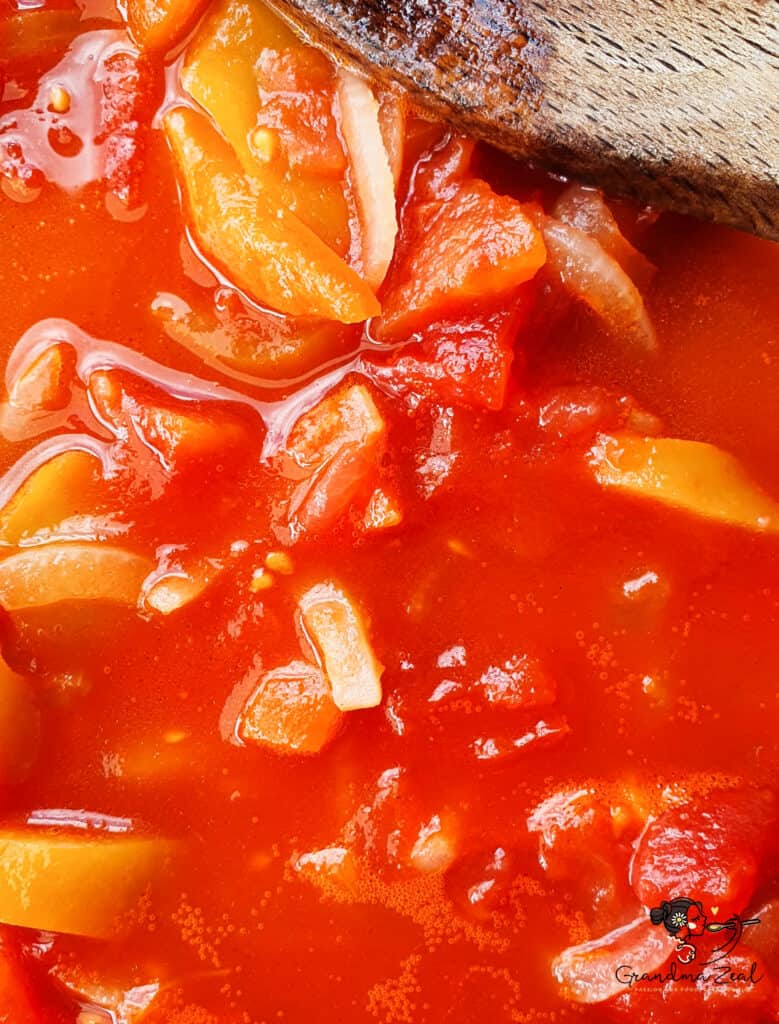
7./Add salt and pepper. Add chillies.
8./ Finally, you can add German or Hungarian sausage, frankfurters, or chorizo if you like. However, you can also omit meat completely.
NOTE:
You can adjust Hungarian lecso endlessly. More tomatoes? Go for it. Love peppers? Fancy more onions? It’s your stew.
Dismiss sausage and make it vegetarian.
Turn it into patatas bravas:
Skip the eggs, add potatoes, spice it up with cayenne, oregano and garlic and turn it into Patatas bravas; same base as lecso, but a completely different meal, this time with a Spanish twist.
NOTE:
You can adjust Hungarian lecso endlessly. More tomatoes? Go for it. Love peppers? Fancy more onions? Add a few extra. It’s your stew.
Add cooked potatoes if you want to turn it into a Spanish tapas dish.
What To Eat With Lecso
This tomato pepper stew is an excellent example of how Eastern European recipes can be simple, affordable, and endlessly adaptable.
Scramble eggs straight into the hot lecso during the final minutes of cooking, crack them in and stir gently until they set. You can also slice sausage and add it to the stew about 5 minutes before the end, so the flavour blends into the dish.
My friend, however, makes lecso with only a few peppers and a small onion and serves it as tapas, among other little dishes. That’s the beauty of lecso; you can enjoy it light or hearty, vegetarian or with meat, warm or cold.
It pairs well with:
- A slice of KETO RYE-STYLE BREAD
- Roasted potatoes or cauliflower mash
- A simple fresh salad
- Or eat it straight from the pan
Once you taste this dish, you find the options for serving it endless.

Stay in touch
If you like the content, subscribe to my monthly newsletter for updates about new articles.
I promise – no spam, no inbox flooding.
How To Store Lecso
Store your lecso recipe leftovers in the fridge for up to 5 days (without eggs or sausage). It tastes even better the next day.
You can also preserve Hungarian lecso in jars for up to 1 year. Here’s how:
How can you do it?
1️⃣ Sauté the onions
Fry chopped onions in oil until soft and translucent.
2️⃣ Add sliced peppers
Stir in sliced peppers and cook for around 10 minutes.
3️⃣ Add tomatoes
Add peeled and chopped tomatoes, then simmer for another 10 minutes.
4️⃣ Season
Add salt to taste and stir well.
In the meantime, wash the jars and lids in hot water. You can also use sterilising tablets if you like.
5️⃣ Fill the jars
Carefully pour the hot lecso into clean, sterilised jars. Seal immediately with lids.
6️⃣ Cool or water bath
Cover jars with a towel and let them cool slowly, or place sealed jars in a simmering water bath for 10 minutes to ensure proper sealing.
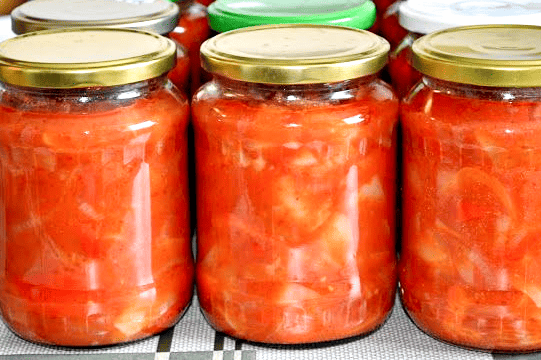
Watch the video on how to preserve lecso here.
Preserved lecso jars can be used for other meals, such as Beef Goulash, traditional Hungarian Goulash, or Chicken with gnocchi.
👉If you enjoyed this lecso recipe, here are more flavour-packed meals you’ll want to try next:
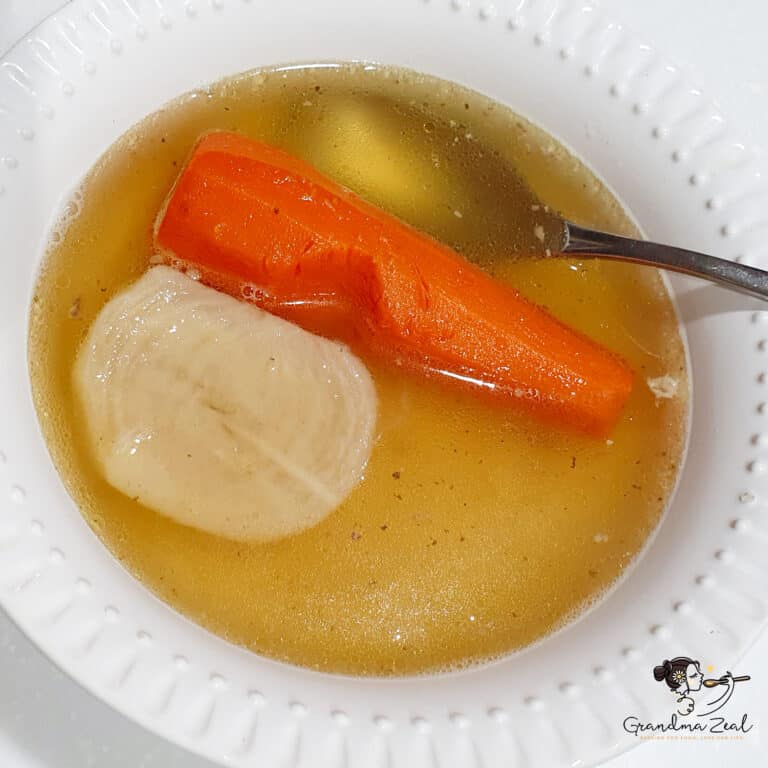


🍴 Made This Recipe?
✍️ Leave a comment below and tell me how your Hungarian lecso turned out!
🌶️ Did you make it spicy, add sausage, or keep it as a vegetarian Hungarian dish?
⭐ Don’t forget to rate the recipe—it helps more food lovers find it!
As an Amazon Associate, I earn from qualifying purchases.

LECSO-HUNGARIAN TOMATO TAPAS

Cooking Tools
- skillet or deeper frying pan
- Chopping board
- Wooden spoon
Ingredients
- 1 tbsp Oil - or butter
- 1 medium Onion - (cut into thin slices)
- 1 large Green pepper - or Hungarian green/yellow paprika
- 1 tin Chopped tomatoes - or 4 large fresh tomatoes-chopped
- pinch Sea Salt
- 1/4 tsp Ground black pepper
- 1/4 tsp Sugar - or sweetener of your choice (optional)
- 2 whole Eggs - optional
- 1 small Hungarian sausage - (or chorizo style sausage or 2 frankfurters) optional
Instructions
- Cut the onion in half and half again, and slice thinly.
- Heat the oil in the skillet, add sliced onion. Stir fry until the onion is translucent.1 tbsp Oil, 1 medium Onion
- Slice peppers and add to skillet.1 large Green pepper
- Add chopped tomatoes and season with salt and pepper.1 tin Chopped tomatoes, pinch Sea Salt, 1/4 tsp Ground black pepper
- Cook at medium heat for about 20 min, stirring occasionally. Add sausage or frankfurters if used, after 10 min.1 small Hungarian sausage
- Taste and add erythritol if desired.1/4 tsp Sugar
- If using, add eggs and stir until fully cooked.2 whole Eggs
Beyond the Recipe…
There’s more than recipes here: personal stories, favourite spots, and a few food myths I’ve challenged.