We think we know everything about the benefits of drinking water and its importance in life. Yet, how much attention do we pay to our bodies’ needs to stay healthy and function well?
It’s amusing, in a way, how often we take our health for granted. I want to address this blog post as a friendly reminder to everyone about something that can easily slip our minds with our busy lives: taking care of ourselves. You might think, “Of course, I do my best to stay healthy and fit, and I always try to keep a positive mindset”. But do we?
We glide through life, ignoring the little warning signs our bodies send us, until, bam! – We’re hit with an illness that forces us to pay attention. Only when we start to feel miserable do we start scrambling to eat better, drink more water, exercise, and rest properly. Or we resort to taking tablets – tablets for digestion, migraines, constipation, and pain. Sound familiar?
It’s like we wait for a wake-up call before we start caring about our well-being. But imagine how much better we’d feel if we looked after ourselves all the time, not just when we’re trying to bounce back from sickness. After all, prevention is the best medicine!
What do I have in mind?
As we age, adjusting how we care for our bodies is crucial. Think of it like maintaining a car: regular maintenance keeps it running smoothly. Our bodies are no different. By tweaking our diets and eating habits, we can sidestep many potential problems. Our ageing bodies benefit immensely from specific nutrients, vitamins, and supplements to function at their best. And water! We often underestimate how important it is to stay hydrated.
Just like a car engine running without replenishing the oil, it starts to wear down and eventually breaks down completely. Oil is essential for lubricating the engine parts, reducing friction, and preventing overheating.
The benefits of drinking water and the importance of hydration
Similarly, our bodies need the right fuel – nutritional foods, proper hydration, and essential vitamins – to keep everything running smoothly. If we ignore these needs, we risk breakdown, suffering from preventable illnesses, and loss of vitality.
Taking care of our bodies proactively can help us age gracefully and keep that engine purring for years. Remember, prevention is the best medicine, and the time to start is now.
So, we theoretically know all of this, but we are not willing to do anything until it’s sometimes too late. Let’s not wait for a health crisis to strike. Let’s start making those small changes right now to ensure a healthier, happier future.
We can make small changes day by day and adopt daily rituals to stay hydrated, exercise our brains, train our minds, and move our bodies.
First daily ritual – start your morning with water
Did you think I was referring to morning exercise? If you enjoy that, why not? Or perhaps a shower? Here you go!
But I thought about something else: a glass of water first thing in the morning, before you make your coffee, breakfast, or get the kids ready for school.
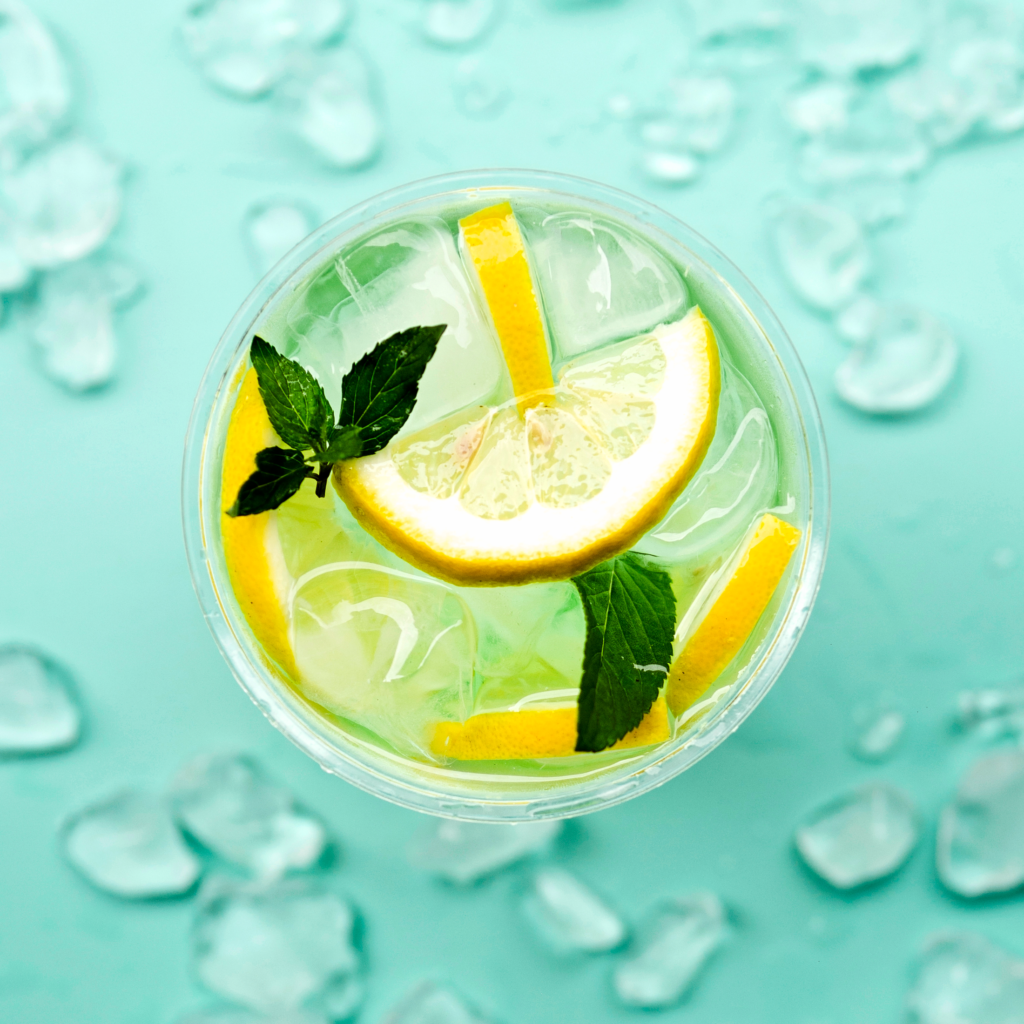
Water: cold, hot, or room temperature, with or without anything added (lemon, ginger, apple cider), whatever your preference. I like to add a few drops of lemon to make the water taste more pleasant while still reaping the benefits of drinking water, but that’s your personal choice.
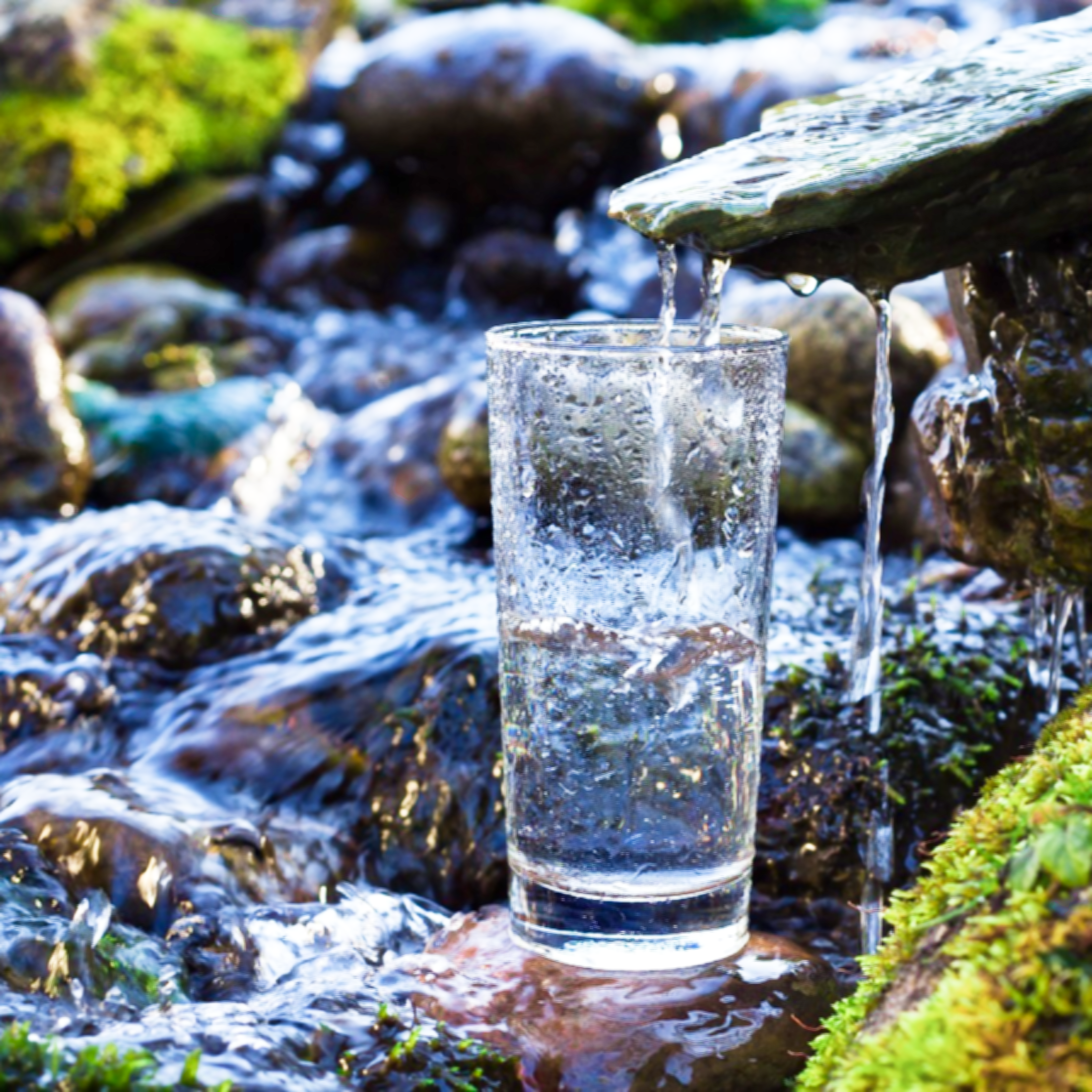
I also prefer fresh spring water, but it’s not easy to get, and I can only access it when I’m at my dad’s cottage in the Slovak Ore Mountains.
The glass should be about 300ml (one and a half cups).
A simple glass of water makes us stay hydrated
After 6–8 hours of sleep, your body wakes up slightly dehydrated. It is especially true if you sleep in a warm environment or with air conditioning, which can dry out the air and your body. Starting your morning with a glass of water is one of the simplest ways to rehydrate and help your body transition into full function.
This small act sets the tone for the day, supporting digestion, mental clarity, and energy levels. In fact, some of the most overlooked health benefits of drinking water begin with that very first glass.
It’s like a morning reset for your entire system. Since our bodies are composed of roughly 55% to 65% water, replenishing what we lost during the night is crucial for every cell and organ to operate at its best.
Water in our bodies – Understanding the benefits of drinking water at every age
Each person has different levels of water in their body. Here are some essential trends to remember:
- Babies and children have more water in their bodies than adults. Newborns start with about 78% water, which drops to about 65% by age 1.
- Adult men’s bodies contain about 60% water, as fat tissue does not contain as much water as lean tissue.
- Women tend to have less water in their bodies than men, averaging around 55%.
- Individuals with more fatty tissue have a lower percentage of water in their bodies than those with less fatty tissue.
Source: The Water in You: Water and the Human Body | U.S. Geological Survey (usgs.gov)
But do you know how staying hydrated affects your body and health?
Water supports almost every function in your body. It regulates body temperature, protects vital organs, aids digestion, transports nutrients and oxygen, and removes waste.
Your body needs to stay hydrated to do all of this properly. Without enough water, your cells become dehydrated, which impairs their ability to function and clear waste.
Here are some of the most common signs of dehydration:
- Dark urine (The colour of your urine can indicate how much water your body needs. If it’s pale yellow, you’re likely drinking enough water; if it’s dark yellow, you may need to drink more water.)
- Passing small amounts of urine infrequently (less than three or four times a day)
- Feeling thirsty (if you’re thirsty, you’re already dehydrated)
- Bad breath
- Muscle cramps and fatigue: While various factors can contribute to muscle cramps, hydration is one of the most crucial yet often overlooked elements.
- Headaches
- Tiredness
- Dry mouth, lips and eyes
- Dizziness or light-headedness
- Elevated cravings for sweet, sugary foods (one of the ways dehydration can lead to weight gain)
Source: Dehydration – NHS
Stay in touch
If you like the content, subscribe to my monthly newsletter for updates about new articles.
I promise – no spam, no inbox flooding.
Water for life – the benefits of drinking water
As you can see, a lack of water can lead to various issues, such as fatigue, headaches, dry skin, constipation, dizziness, and even more severe complications like kidney stones or urinary tract infections. Your body needs water to function well, so it is vital to stay hydrated throughout the day by drinking adequate water. We can help our body rehydrate with this little morning ritual by drinking a glass of water every 2-3 hours and before every meal.
So, staying hydrated does so much more than quench your thirst. Here are seven powerful health benefits of drinking water that can make a real difference in your daily life:
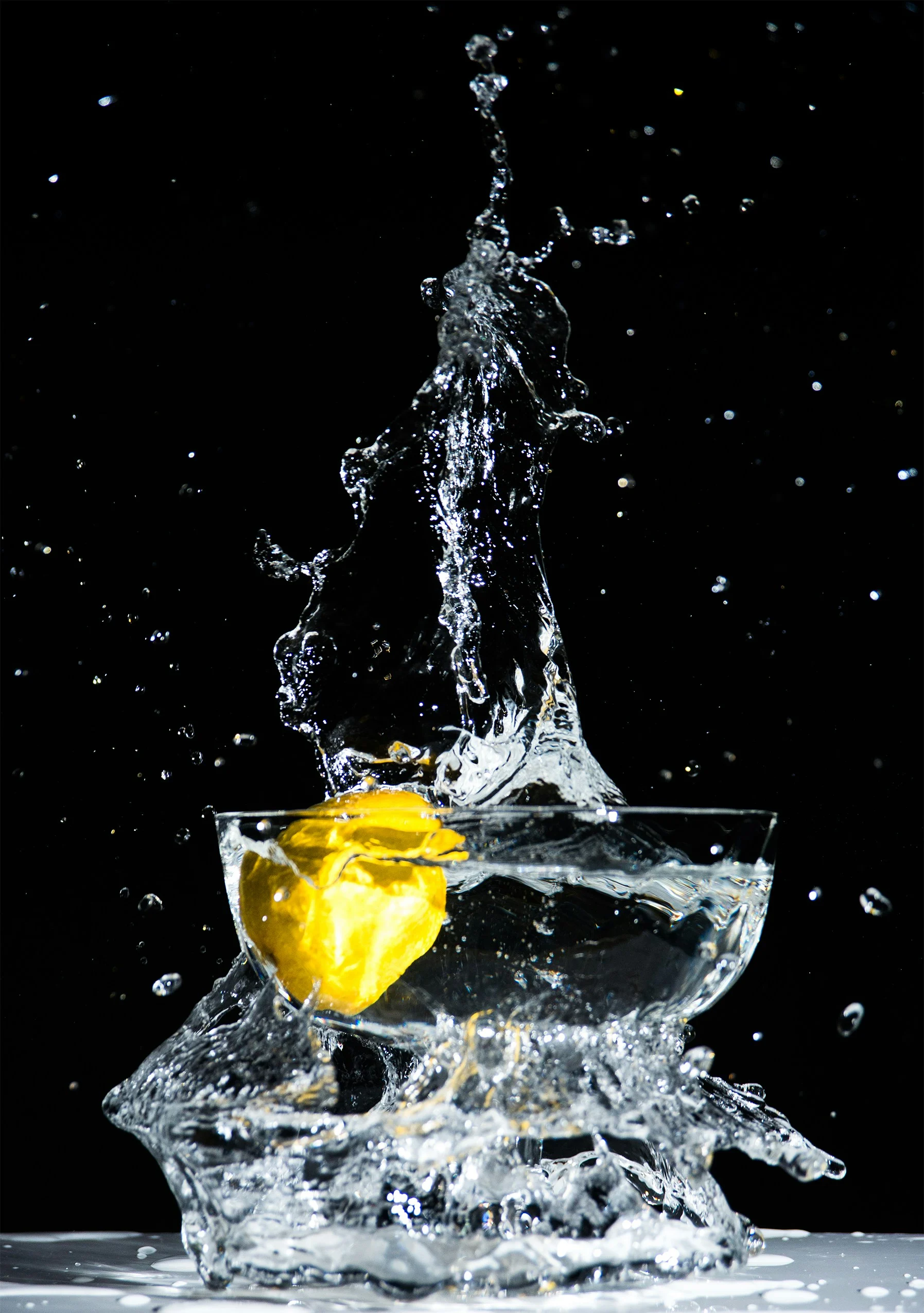
7 Health Benefits of Drinking Water
- Boosts Energy & Brain Function
Even mild dehydration can make you feel tired, foggy, or unfocused. Staying hydrated helps you stay alert and improves concentration. - Supports Digestion & Prevents Constipation
Water helps break down food and keeps things moving through your digestive tract, reducing bloating and sluggish digestion. - Aids in Weight Management
Drinking water before meals can help prevent overeating and reduce cravings for sugar and processed snacks. - Flushes Out Toxins & Supports Kidney Function
Staying properly hydrated allows your body to efficiently eliminate waste, which reduces the risk of kidney stones and urinary tract infections.. - Improves Skin Health & Appearance
Well-hydrated skin appears more radiant, plump, and less susceptible to dryness, fine lines, or irritation. - Keeps Joints & Muscles Functioning Smoothly
Water helps lubricate joints and muscles, reducing stiffness, cramps, and soreness after exercise. - Regulates Body Temperature & Promotes Vitality
Staying hydrated is essential for keeping your body cool, balanced, and functioning optimally, especially in hot climates or during physical activity.
What can we drink during the day if we don’t like water?
British people are well known for their love of tea. But is black or white tea enough for hydration? What about coffee?
There aren’t enough studies to support the thesis that caffeine drinks dehydrate us. But we know it’s better to drink a few cups of tea daily than not to drink anything. Caffeine could play a good or bad role in our health, but that’s a different topic we can’t and don’t want to discuss now.
Some healthy ideas for consuming fluids during the day:
- Spring water
- Kombucha
- Fruit/vegetable-infused water (add sliced cucumber, mint, ginger, watermelon, orange, kiwi, strawberries, etc.)
- Smoothies
- Herbal teas
- Fruit teas
- Chicory coffee
- Mineral water
- Soups (try GREEN VEGETABLE SOUP WITH CHEESE – Grandmazeal)
- Juicy fruit and vegetables
Other ideas:
- Yoghurt drink
- Coffee
- Milk
- Sparkling water
- Sport drinks
We often wait for a health scare to prompt us to take better care of ourselves, but it doesn’t have to be this way. The health benefits of drinking water go far beyond simply avoiding health issues; they improve our daily lives and can be achieved through a simple habit. It’s not about being perfect; it’s about being consistent. Your body deserves the best, and that starts with more of what it’s made of: water.
Final Thought – Prevention Over Cure
Embracing the power and benefits of drinking water is a crucial step for lifelong health and vitality. Making small, consistent changes – like starting your day with a glass of water – can nourish your body, boost your energy, and help prevent many health issues.
Remember, your body is your most valuable asset; give it the care it deserves. Start today, stay hydrated, and experience the remarkable benefits of a well-hydrated life. Your journey to a healthier, happier you begins now.
What would you like to read now?
There’s more here: favourite places, personal stories, broken food myths, recipes and more.
Either way, I’m glad you’re here.