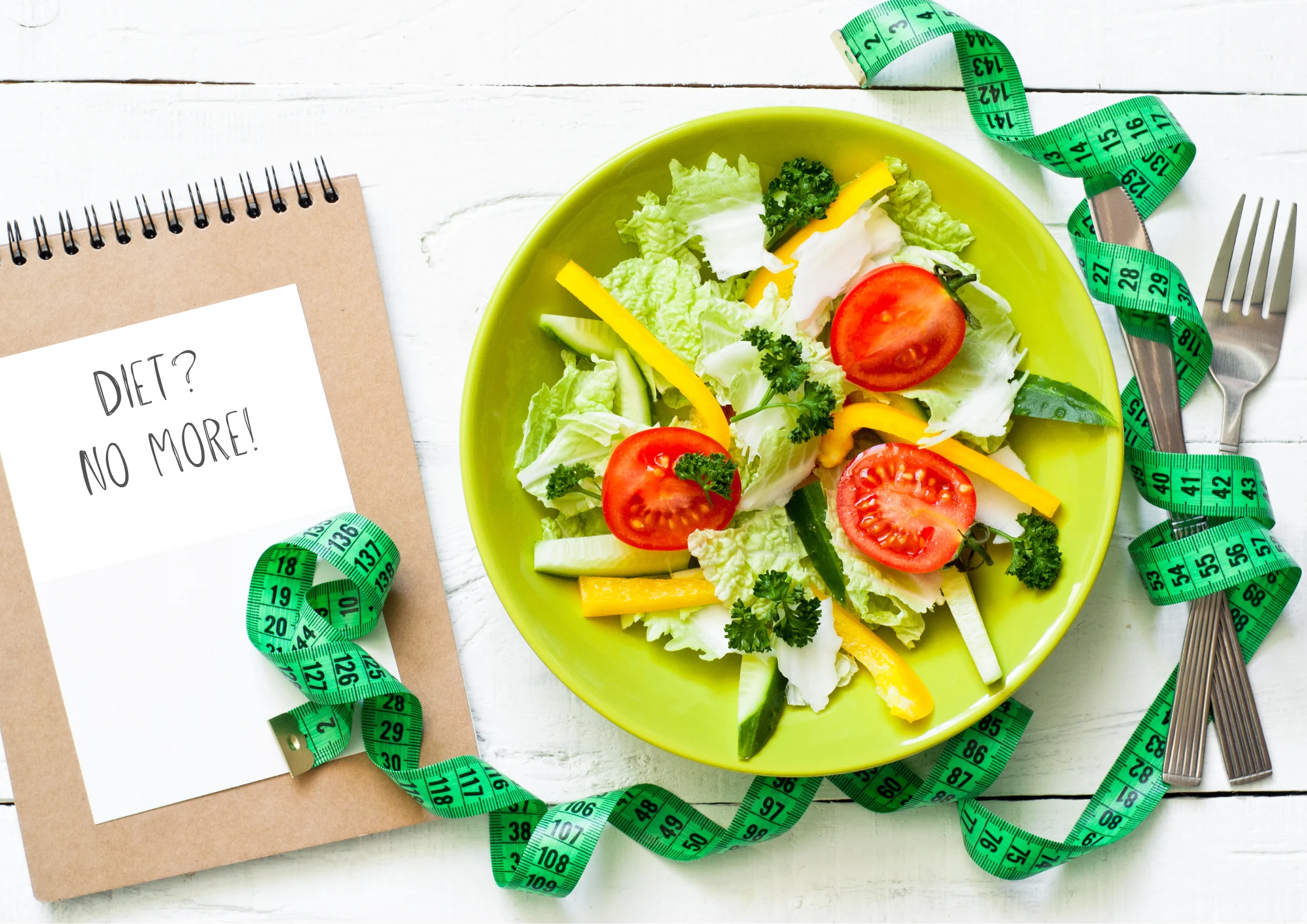
Have you ever wondered what truly matters: what we eat or how we live? This article explores healthy eating habits for adults and how they support a healthy lifestyle. If you’re ready to ditch the diet and make long-term changes, you’re in the right place. Let’s chat about diet versus lifestyle and see what really matters.
We hear many different things about food: bad food, food addictions, food as a treat, fatty food, high-sugar food, processed food, organic food, and raw food. One must be confused.
What about diet? High-fat diet, low-fat diet, sugar-free diet, low-carb diet, keto, paleo, clean diet, raw-food diet, wild diet, meat-free diet, alkaline diet, liquid diet, calorie-counting diet, points-counting diet, high-protein diet, fasting, not fasting. You’ve got it.
Unsurprisingly, many of us feel overwhelmed and turn to an “eat everything” diet.
And hands up, who doesn’t feel fed up when someone says DIET?
Diet or lifestyle?
The main problem with dieting is that it’s usually something we feel forced to do, for health or appearance. The word “diet” sounds like punishment. It’s about fixing a problem rather than preventing one through our own choices.
According to the Cambridge Dictionary, the definition of diet is:
A/ The food and drink usually eaten or drunk by a person or group.
B/ Eating plan in which someone eats less food or only particular types of food because they want to become thinner or for medical reasons.
C/ The particular food and drink you are limited to when you cannot eat or drink whatever you want to.
However, when someone says, “I am on a diet,” we generally think they are not eating everything. Dieting is mainly understood as eating certain foods for weight loss.
And honestly, how often have we told someone on a diet: “Ah, just make an exception today…”?
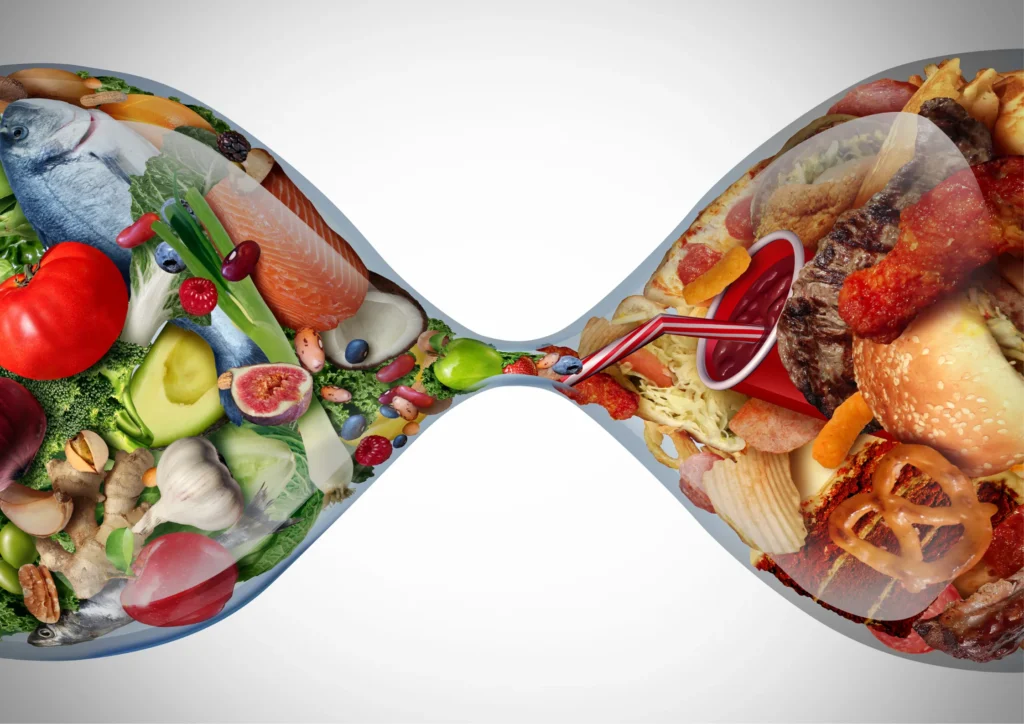
Ditch the diet!
Many diet programs are time-consuming and often fail to teach their followers healthy eating habits. On the other hand, some programs provide an overload of scientific information, which can lead to confusion. Additionally, I have noticed that some diet programs are expensive, making them inaccessible.
The weekly menu often includes expensive or time-consuming foods that many people do not enjoy. As a result, once the program ends, individuals struggle to maintain their new eating habits and often revert to old ones.
Who wants to spend their whole life in the kitchen, counting calories or points? This is why people initially follow diet programs but eventually give up.
Consequently, their bodies experience a yo-yo effect, and they become disheartened about their ability to lose weight or change their eating habits.
We tell ourselves:
“I can’t go through my whole life without….” And we quit.
Or another one:
“This doesn’t work for me…”
What about:
“I probably have a slow metabolism, or it is in my genes…”
Have you ever found yourself thinking this way?
Or what about the “guaranteed recipes for weight loss”? I bet you have heard of the slimming cabbage soup or the egg-and-grapefruit diet. Juicing, detox teas, and fat-burning foods are other quick fixes for weight problems.
The truth is that “the special food” could work. However, there is a time and place to incorporate those ideas into our lives. It isn’t just a run-for-a-fix-me-now option.
Lifestyle, not diet
Today, let’s ditch the diet mindset and focus on creating a healthy lifestyle. That means eating well, moving regularly, and thinking long-term rather than chasing quick fixes. Building healthy eating habits for adults can start with simple changes in what we eat, how we eat, and how we think about food.
I prefer to say “healthy lifestyle” instead of “diet”. A healthy lifestyle means choosing what and when we eat, how we move, and how we treat ourselves. It’s about forming healthy eating habits (not just) for adults that feel natural, not forced. Last, it is also how we think and make it a long-term habit.
Lifestyle is when we educate ourselves step by step and gradually include things we like, which benefits our well-being.
People have unique reasons for making food choices or wanting to change their eating habits. However, there is always a reason behind every decision.
NOTE:
Suffering from depression can often cause one to neglect their dietary habits. Overwhelming emotions can make it hard to find the motivation to prioritise healthy eating. During times of low self-esteem, individuals may turn to comfort foods as a way to cope and find temporary relief from their emotional pain.
—–
This can lead to a cycle of unhealthy eating habits, increasing feelings of guilt and shame. As a result, individuals may become trapped in a pattern where poor food choices affect physical and mental well-being, reinforcing negative emotions and self-image.
It’s important to note that while I can provide information, I am not a psychiatrist or therapist and won’t delve deeply into this topic. Nonetheless, I wanted to raise awareness of these reasons, as we often judge people without knowing their background.
Apropos habits
According to the Cambridge Dictionary, habit is:
- Something you do often and regularly, sometimes without realising you are doing it.
- A particular act or way of acting you tend to do regularly.
So, how do we build healthy eating habits for adults that actually last, without feeling restricted, bored, or overwhelmed?
I have been studying food protocols and nutrition as a hobby for nearly fifteen years. During this time, I have learned about the philosophy behind various diet programs and experimented to determine what works best for me. I learned how to read food labels, measure proper portions, and understand which foods are “good” and should be consumed more, and which are “bad”.
I also learned that it is okay to occasionally indulge in a little bit of “bad” food, especially if it is something we love. (Article about food coming soon)
If we want permanent results, we must make permanent changes to our habits. And that includes eating habits, sleeping patterns, how and how much we move, and our attitude. By attitude, I mean, are we positive thinkers? Are we generally cheerful and happy? Or are we moaning about everything and everyone?
So, if we want to change our habits, we must make small changes daily. To make this happen easily, we also need to engage our minds. As often as not, our mind has power over our will.
Stay in touch
If you like the content, subscribe to my monthly newsletter for updates about new articles.
I promise – no spam, no inbox flooding.
Our mind
Do you not believe that the mind has power over our will?
Here are some examples of our unconscious minds overriding our willpower, leading us to do things we didn’t intend to do:
- Impulsive spending is a common phenomenon in which people make spontaneous purchases in the moment, even though they know they are in conflict with their financial goals and a set budget.
- Breaking commitments: Sometimes we make agreements or commitments, but later we find excuses to avoid keeping them. Our minds can persuade us to break our promises, even though we always intend to keep them.
- Procrastination: Many people struggle with procrastination. They intend to begin a task or project, but instead, they do everything else except work on it. Even if they are fully aware of the importance of completing the task, their minds trick them into putting it off or failing to finish it.
- Addictive behaviour is a prime example of the mind’s power. Despite knowing the harmful effects of our actions, addiction can overwhelm our willpower, making it hard to resist compulsive activities like smoking, gambling, or substance abuse.
Finding balance
Maintaining a balance between diet, lifestyle, and mindset is essential to staying healthy. What we consume and how we lead our lives are crucial for our well-being. Eating nutritious food provides our bodies with the necessary nutrients, and making lasting, manageable lifestyle changes helps us maintain our health in the long term.
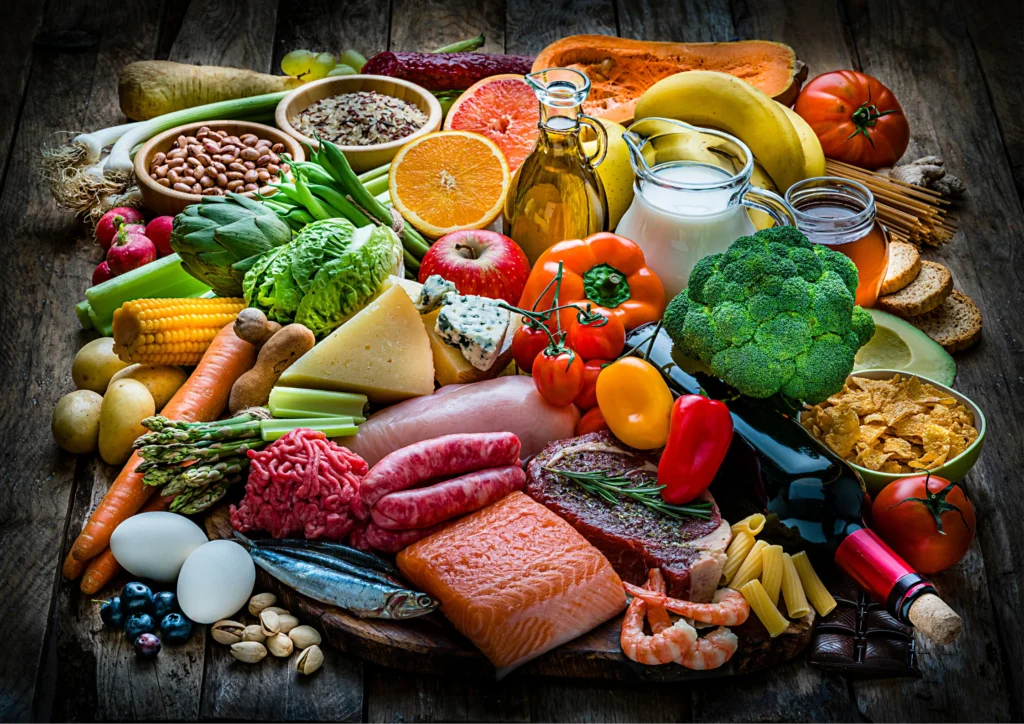
Being healthy isn’t just one-size-fits-all. It’s about figuring out what works best for us and tailoring our approach based on our own needs and preferences. This includes exercising, getting enough sleep, managing stress, and socialising. Eating a well-rounded and balanced diet is also essential.
Taking care of ourselves involves more than just food. A healthy lifestyle includes rest, joy, connection, and practical healthy eating habits for adults. It is something we should prioritise.
Taking care of ourselves means more than just eating well. A healthy lifestyle includes sleep, movement, stress management, and strong social connections. At the core are healthy eating habits, simple, flexible choices we can stick to without stress or guilt.
It’s not about perfection but about creating routines that support our energy, mood, and well-being over time. Everyone’s version of a healthy lifestyle looks a little different, and that’s okay. What matters is that it feels right for you.
A follow-up is coming soon. Stay tuned.
✍️What does a healthy lifestyle look like in your life? Share your thoughts in the comments. I’d love to hear your take.

What would you like to read now?
There’s more here: favourite places, personal stories, broken food myths, recipes and more.
Either way, I’m glad you’re here.