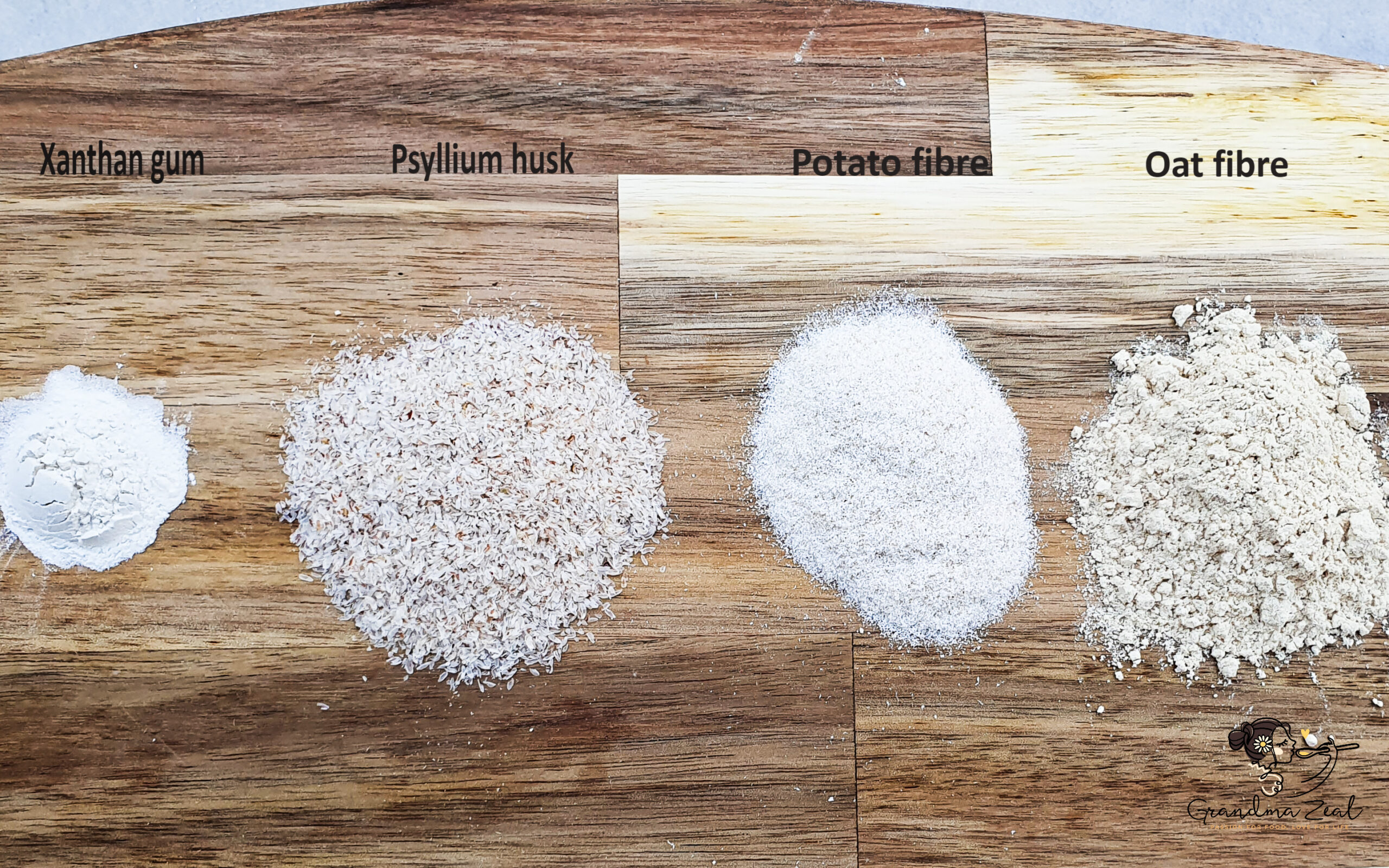
How and why do we use dietary fibre like oat or potato fibre, psyllium husk, and xanthan gum? They’re not just for keto or low-carb diets; they also have health benefits.
Many people ask me about the fibre ingredients I use in my recipes. Some are confused about what each one does, or mistake oat fibre for oat bran, or potato fibre for starch. So here’s a clear and straightforward guide.
First Fiber vs fibre
First of all, I need to explain the term “fibre”. Some articles or recipes use the word fiber, whilst others use the word fibre. There is no difference in meaning between fiber and fibre. Fiber is the spelling primarily used in American English, while fibre is used in British English.
What Is Dietary Fibre
Fibre (or dietary fibre, as many articles call it) refers to plant carbohydrates that the body can’t digest. Instead of breaking it down, our system pushes fibre through the gut, mostly intact, and that’s exactly where the benefits start.
There are two types:
- Soluble fibre: dissolves in water and creates a gel-like texture, slowing digestion
- Insoluble fibre: doesn’t dissolve and adds bulk, helping things move through the system
For example:
Oat fibre is an insoluble fibre that fills space in the stomach and supports digestion
Xanthan gum is a soluble fibre often used as a food thickener
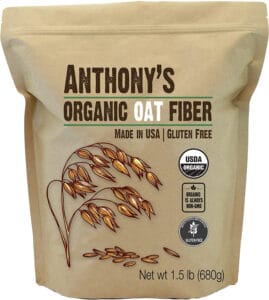
Generally, both types of fibre help our body feel full for longer and ease the passage of digested food out of the body. You can read more about fibre HERE.
Why Use Fibre In Our Diet
As we already know, including fibre in our diet has many health benefits. But why do we need to add extra fibres to our food? We hear everywhere that eating whole grains is healthy. Also, eating more vegetables and particular fruits is beneficial for us. Or we are encouraged to eat more vegetables and less starchy food to lose weight. But why?
It is not just because all that “power food”, as many bloggers call it, contains essential vitamins and minerals, but also because they are high in soluble and insoluble fibres. And because dietary fibres are an indigestible complex of carbohydrates, they don’t count towards our daily carbohydrate intake.
I know it sounds like rocket science, but keep it simple: think of fibre in food as fewer carbs, which is why it can help us lose weight or manage high blood sugar.
✅ 6 Proven Benefits of Dietary Fibre
Fibre moves through your digestive tract and helps everything work smoothly. Insoluble fibres, like oat fibre, help prevent constipation and keep your gut regular.
Fibre slows the absorption of sugar, which can help reduce blood sugar spikes, which is especially important if you’re managing glucose levels.
Fibre helps you feel full without adding digestible carbs. That means less snacking and more satisfaction from meals.
Insoluble fibre adds bulk and helps prevent gastrointestinal blockages. Soluble fibre, like psyllium husk, absorbs water and can help with diarrhoea or constipation.
Soluble fibre, especially psyllium husk, has been shown to reduce cholesterol when consumed regularly.
In recipes, fibre-rich ingredients like psyllium husk or oat fibre help create chewy, bread-like textures or add crispiness, replacing breadcrumbs.
There are many online articles about consuming fibre-rich foods. You can find some additional information, for example, on Healthline.
Stay in touch
If you like the content, subscribe to my monthly newsletter for updates about new articles.
I promise – no spam, no inbox flooding.
How I Use Fibre in My Recipes
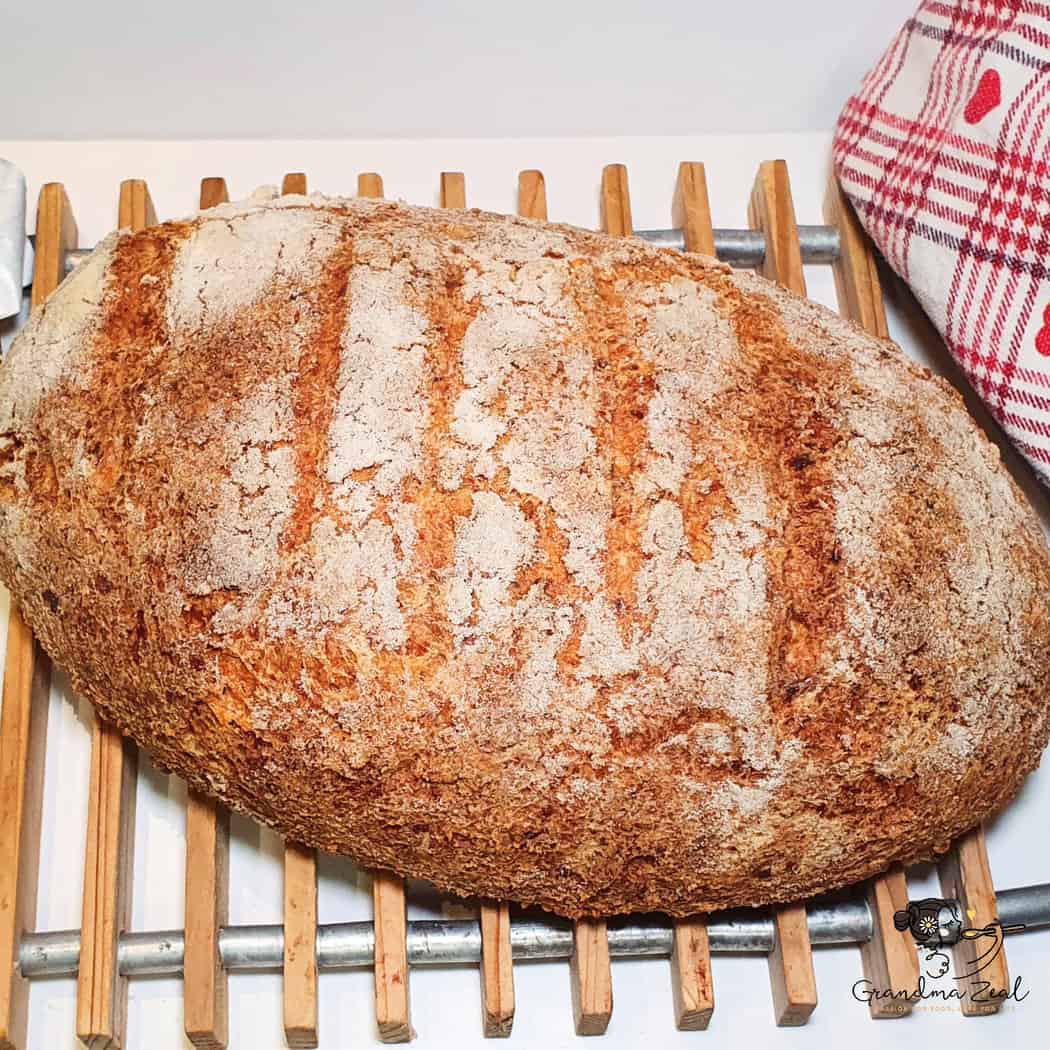
I mostly use oat or potato fibre in low-carb breads and rolls. They also make a great alternative to breadcrumbs for fried chicken, cauliflower, or cheese.
Psyllium husk gives structure and chew to doughs, making it perfect for keto or low-carb pizza bases and bread recipes. It also supports digestion and helps form a proper dough.
Xanthan gum adds thickness and is helpful in flour-free bakes, sauces, and even ice cream. It’s gluten-free and vegan, making it a go-to thickener for allergy-friendly recipes.
Simple Ways to Eat More Fibre
Don’t forget that vegetables, fruit, seeds, and grains are also natural fibre sources.
- 🍎 Choose whole fruits over juice
You get more fibre (and satisfaction) by eating the fruit instead of drinking it. - 🌱 Add seeds like chia, flax, or hemp
Toss them into yoghurt, smoothies, or salads for an easy fibre and omega-3 boost. - 🍓 Top cereal or yoghurt with berries, apples, or figs
Naturally sweet, full of fibre, and no prep needed. - 🌾 Swap in whole grains
Think rice, barley, farro, amaranth, or quinoa; they’re filling and fibre-rich. - 🥕 Make raw veggie sides
Try grated carrot with apple, shredded cabbage, or celery root with lemon juice. - 🫘 Add beans or legumes to meals
Use them in chilli, salads, soups—or replace meat with lentils or chickpeas. - 🧂 Use psyllium husk or oat fibre in cooking
Mix into soups, quiche, or baked goods to boost fibre without extra carbs.
Make smart choices like: (look up my Greatest Keto Fried Chicken)
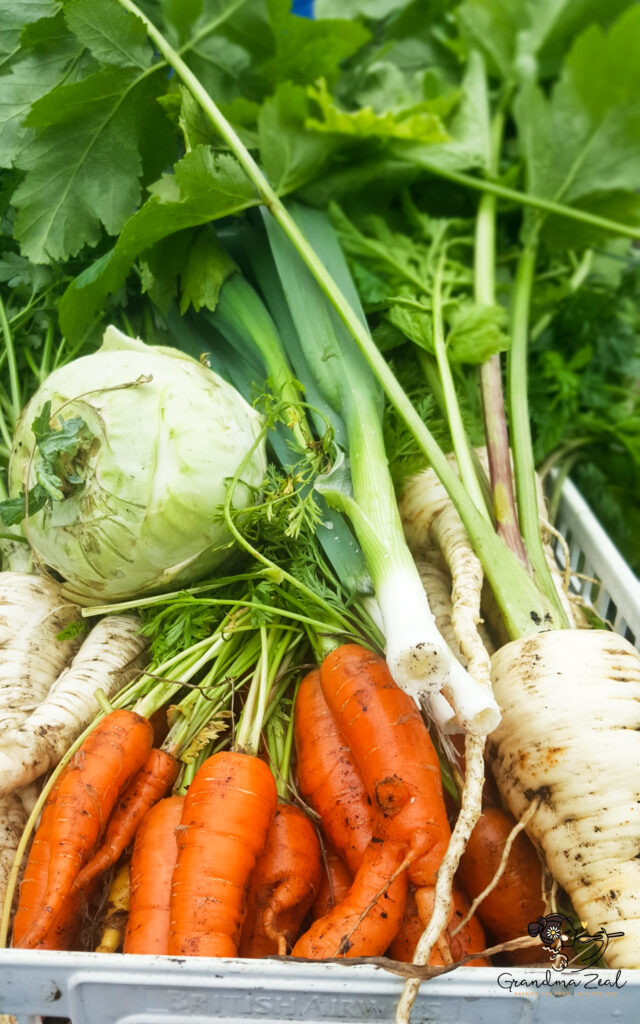
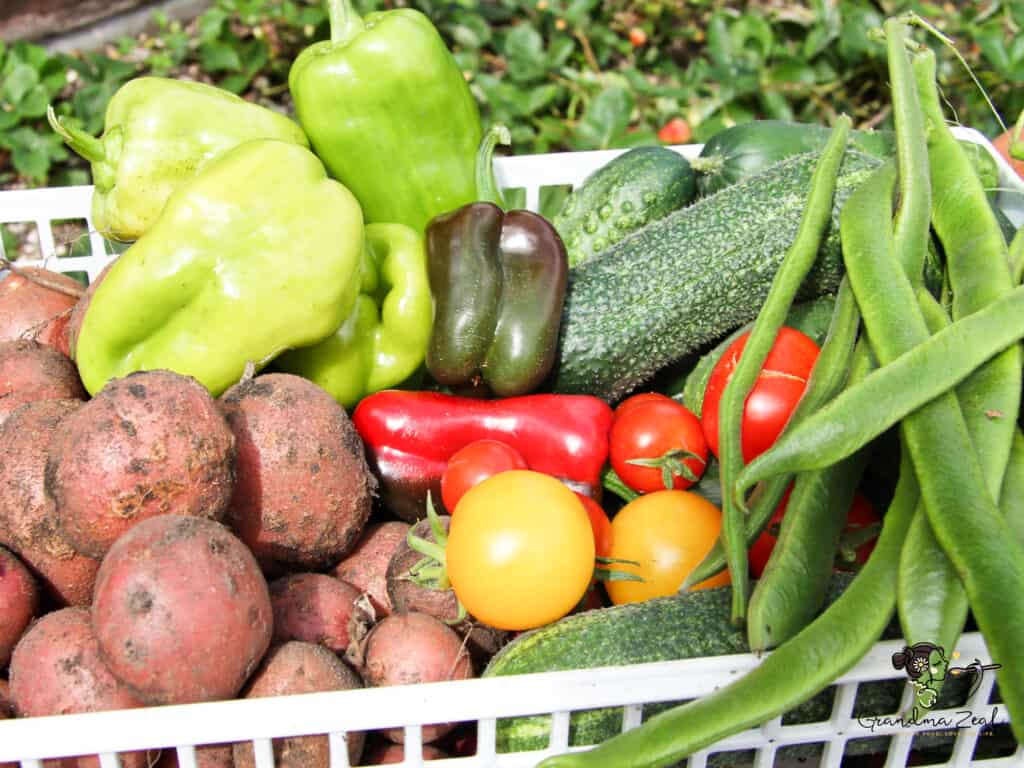

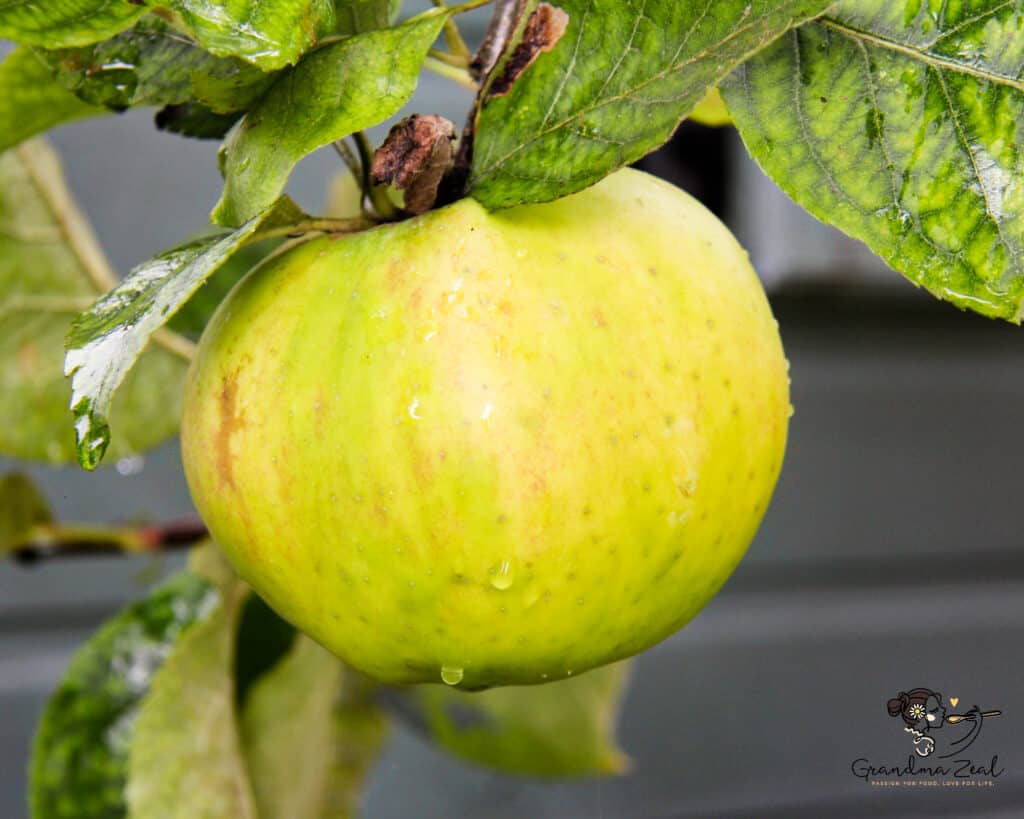
Vegetables and fruit from my garden
Final Thoughts
Fibre isn’t just for digestive health—it plays a powerful role in blood sugar control, weight management, cholesterol, and even how your recipes turn out. Whether you’re cooking low-carb, aiming to feel full longer, or want to improve your health, understanding how to use dietary fibre like psyllium husk and oat fibre can make a real difference.
Start small, try it in your everyday cooking, and see how easy it is to get more fibre into your meals—without overcomplicating things.
💬 What About You?
Have you tried using any fibre in your cooking or baking?
Do you have a favourite fibre-rich recipe or a simple trick that works for you?
✍️ Share your tips, questions, or experiences in the comments—I’d love to hear how you make fibre part of your everyday meals!


What would you like to read now?
There’s more here: favourite places, personal stories, broken food myths, recipes and more.
Either way, I’m glad you’re here.