
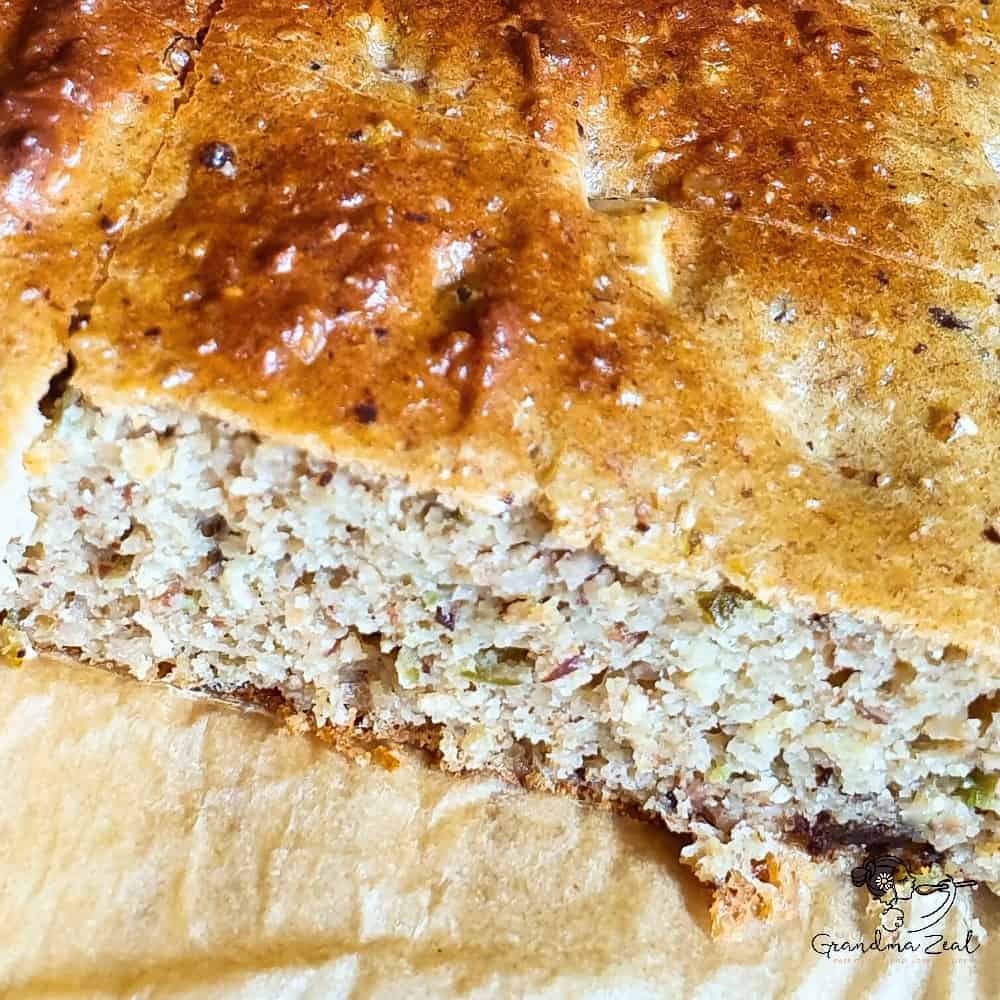
We all take snacks with us, whether it’s for a trip, work, hiking, skiing, or just a busy day on the go. For many of us, that snack has always been a bar of (dark) chocolate. And while it does give a quick burst of energy, it doesn’t offer much else. That’s where this healthy and tasty homemade protein bars recipe come in.
Think of it as an upgrade to your chocolate bar: still small, easy to pack, and satisfying, but filled with protein to help restore energy, keep you full, and fuel your body without the sugar crash. These healthy travel snacks are perfect for a busy lifestyle. The best part? A batch of baked protein bars slips easily into a bag or backpack without bulky packaging, making them the ideal snack for life on the move.
Especially in midlife, choosing smarter snacks isn’t just about calories; it’s about strength, balance, and fuelling your adventures.
7 Powerful Reasons Homemade Protein Bars Beat Store-Bought
1/
Clean ingredients you can trust – no fillers, soy lecithin, or chemicals you wouldn’t choose in your kitchen.
2/
Balanced nutrition – real protein, healthy fats, and fibre without unnecessary sugar alcohols or cheap syrups.
3/
Better for midlife health – protein helps prevent muscle loss, supports bones, and fuels recovery.
4/
Portable and practical – small, light, and easy to pack for work, travel, hiking, skiing, or cycling.
5/
Budget-friendly – one batch makes 20 bars for less than the price of a handful of shop-bought ones.
6/
Customisable – add nuts for crunch, swap flavours, or bake/no-bake depending on the season.
7/
Actually tastes good – soft, spiced, and naturally sweet without the artificial aftertaste of processed bars.
Why Is A Homemade Protein Bars Recipe The Better Choice
Most supermarket “protein” bars are not as healthy as they look. Turn the wrapper over and you’ll find a long list of ingredients: cheap vegetable oils, sugar alcohols that upset digestion, artificial sweeteners, preservatives, and often more sugar than protein.
That’s why I don’t rely on them. Following this homemade protein bars recipe means I can make baked protein bars that give me:
In midlife, I’ve realised it’s not just about convenience. Choosing low-carb protein bars that I bake myself fuels my body for strength, balance, and the adventures I still want to have.
What do you need for these healthy travel snacks
Making these low-carb protein bars is easier than most people think. You’ll need a handful of natural, simple ingredients: for strength, to bind it all together, and nut butter for healthy fats.
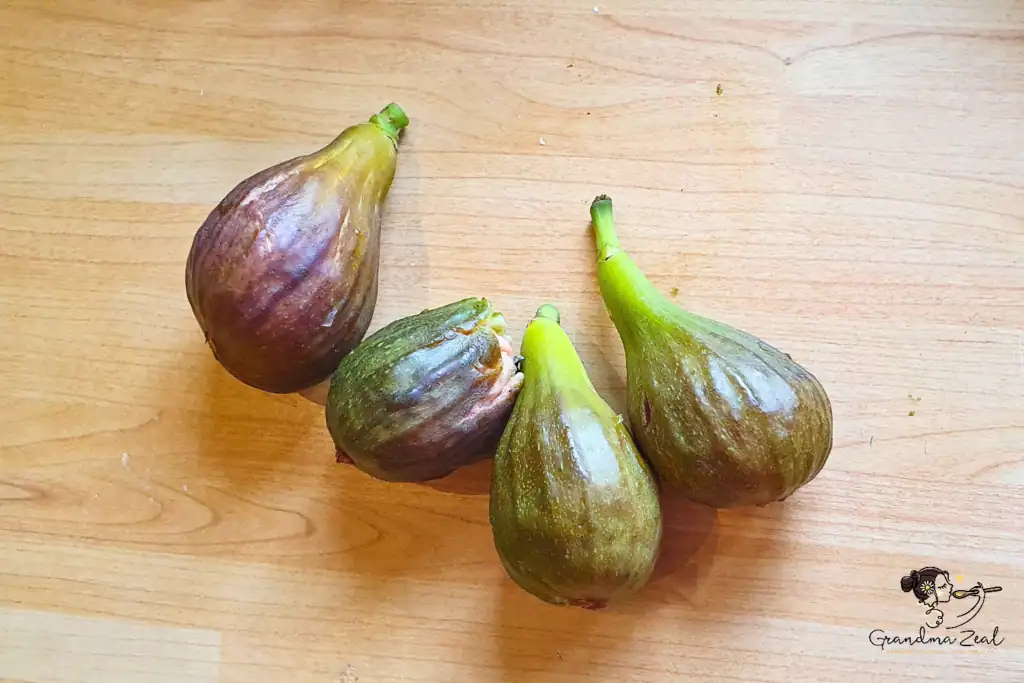
Ingredients
- Fresh figs for natural sweetness
- Almond flour
- Flavoured protein powder
- Eggs
- Nut Butter
- Baking powder
- Salt
💡NOTE:
You can also use fresh plums for this recipe; it will slightly reduce the sugar content in the nutrition.
Optional:
- Coconut flour
- Chopped nuts
- Grated 85% chocolate
How To Make It
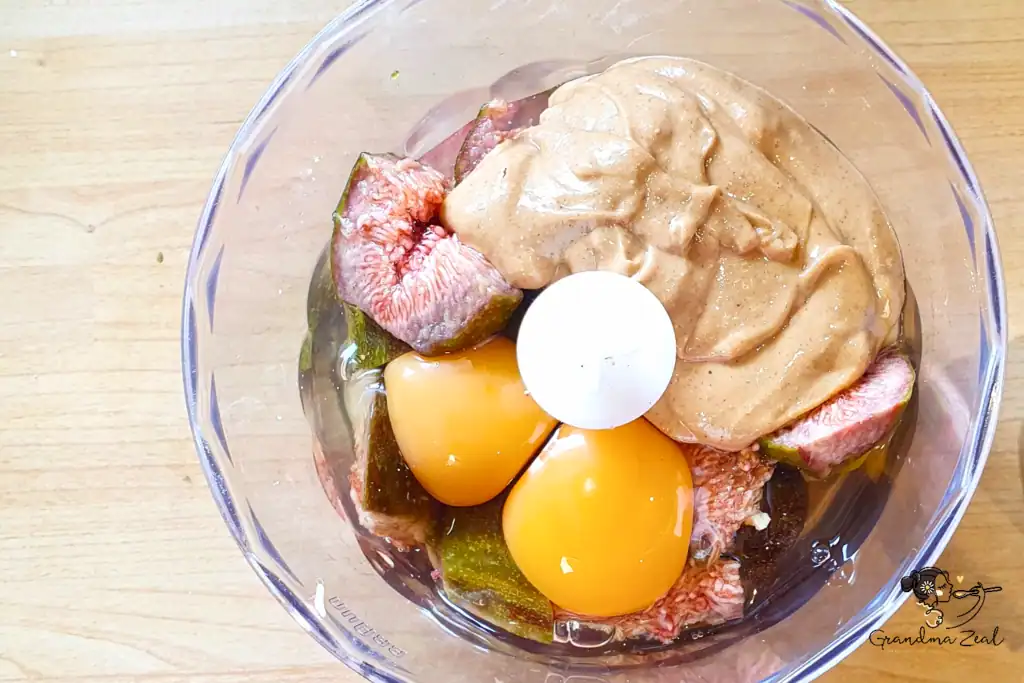
The process is straightforward:
- Mix the wet ingredients until smooth.
- Combine with the dry ingredients to form a thick batter.
- Add chopped nuts and grated chocolate (if using) and mix well.
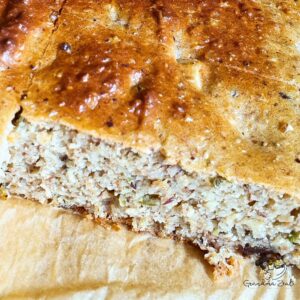
- Spread into a pan and bake until set and golden.
- Cool, slice, and enjoy your high-protein snack bars.
💡NOTE:
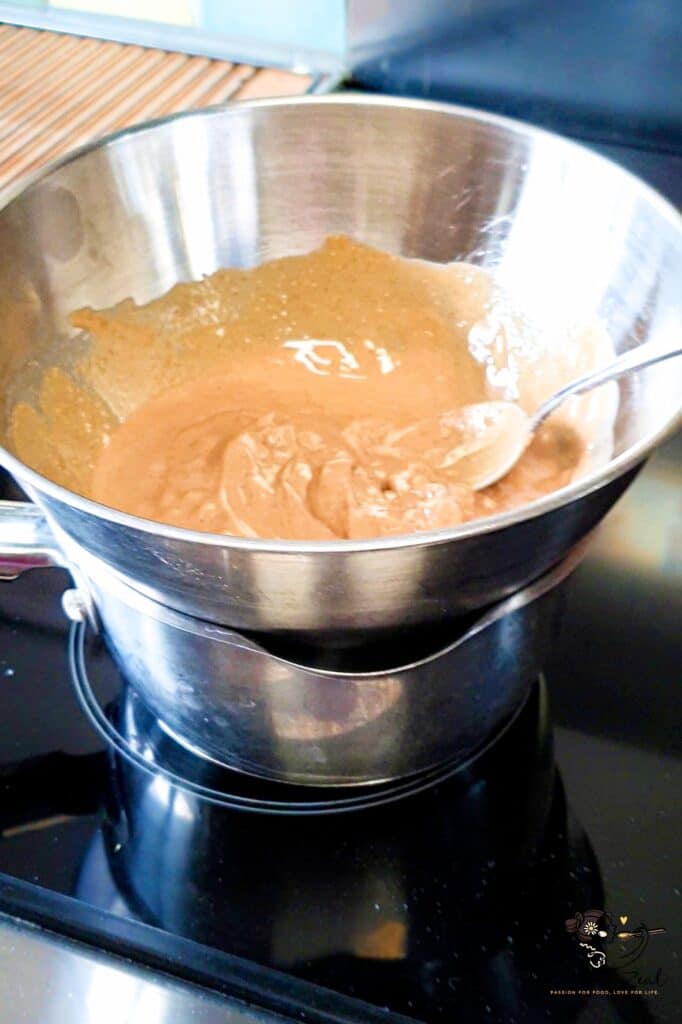
If your nut butter is too thick or the oil has separated on top, transfer it to a heatproof bowl and place it over a pot of gently simmering water (using the double boiler method). Stir until smooth before using.
What They Don’t Tell Us About Shop-Bought Protein Bars
Here’s the question I always ask: Why does a simple protein bar need so many ingredients?
When you pick up a bar in a shiny wrapper, the front shouts 20g protein or low sugar. But flip it over and you’ll find a chemistry experiment: sugar alcohols, emulsifiers, vegetable oils, artificial flavours, and fillers you’ve never heard of.
What they don’t tell us is this: most of these ingredients aren’t there for your health. They’re there to keep costs low, extend shelf life, and make a product that looks appealing but doesn’t actually nourish you.
Yes, you’ll get protein, but it’s usually wrapped in things your body doesn’t need. That’s why so many people feel bloated, sluggish, or even crash after eating them.
For me, it just doesn’t make sense. If I can bake a tray of baked protein bars at home with 7–8 simple ingredients—figs, almond flour, eggs, nut butter, protein powder—why would I choose something that reads like a lab test?
Midlife has taught me this: I want food that works with my body, not against it. And real food, in its simplest form, always wins. These simple low-carb bars are the definition of healthy travel snacks—clean, reliable, and ready to go.
Why Protein Matters More Than Ever
One thing nobody tells you about ageing: we naturally start to lose muscle, a process known as sarcopenia. This process can begin as early as our 30s and typically progresses at a rate of about 3–5% per decade. This loss of muscle not only affects strength but also impacts balance, bone health, metabolism, and even our overall energy levels.
This is why adding more protein to your diet is one of the best investments in your future self. Whether it’s through meals or a homemade protein bars recipe, protein helps to:
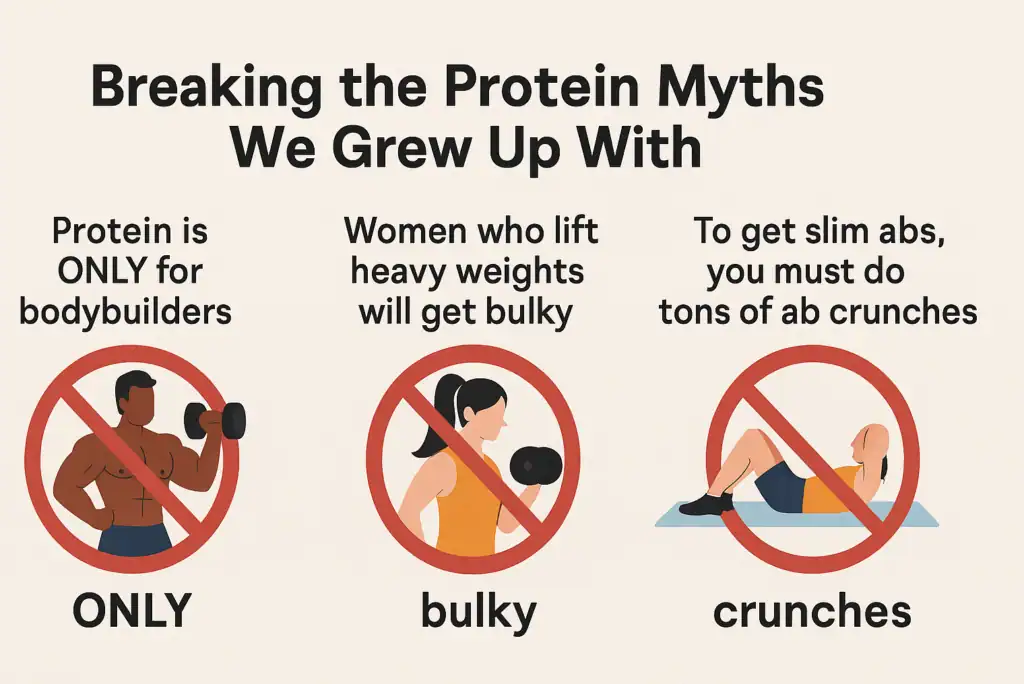
- “Protein is ONLY for bodybuilders.” Not true. While bodybuilders often emphasise protein, our bodies require protein every day—for muscle preservation, resilience, hormones, and overall metabolic health. The difference is only in degree, not in function.
- “Women who lift heavy weights will get bulky.” That’s another myth. Women typically carry lower testosterone levels than men, making extreme bulk very unlikely. Lifting strength-supporting weights actually helps you build lean, toned muscle—even if it doesn’t look like “bulky,” it enhances metabolism and supports posture, energy, and function.
- “To get slim abs, you must do tons of ab crunches.” This targets spot reduction—a common misconception. Unfortunately, spot reduction is a myth: doing crunch after crunch doesn’t burn belly fat specifically. Fat loss is a whole-body process. Genetics and hormones can influence where you see changes first, but your lifestyle choices: nutrition, exercise, and consistency, are the biggest drivers. You can’t melt fat off just your abs by training them, but with the right habits, your overall body fat decreases, and your midsection will eventually follow.
NOTE:
Plus, if you carry extra weight around your midsection, simply toning the ab muscles without reducing overall fat can lead to an optical imbalance—where the abs look even more prominent but not necessarily leaner.
My First Lesson About Protein Bars
I knew for some time that I needed more protein; I’d heard the advice about 1 g per kilo of body weight, but I didn’t really know how to get there. A few years ago, I attended a Zumbatone event in Prague, where I first tried a protein bar. I loved the idea: swapping a Kit-Kat for something that promised to be healthy and protein-packed.
But when I looked closer, the cover’s “healthy” claim didn’t match the ingredients list. There were dozens of things I couldn’t pronounce, plus soy lecithin—and I’m allergic to soy. That was my wake-up call. Since then, I always check the label twice before buying a bar.
Eventually, I realised the easiest solution was to make my own. There are plenty of options, but I’ve found that the homemade protein bars recipe gives me exactly what I want: simple ingredients, great taste, and no unnecessary extras. The no-bake ones are quick and easy, but they usually need cooler conditions to hold together. That’s why in summer I prefer baked protein bars—firmer, portable, and perfect as healthy travel snacks—while in cooler months, I make more of the soft, no-bake kind. (I’ll share one of those recipes later on.)
Stay in touch
If you like the content, subscribe to my monthly newsletter for updates about new articles.
I promise – no spam, no inbox flooding.
How I Eat Baked Protein Bars
These bars aren’t just for travel. I’ve found so many ways to use them:
- With yoghurt – crumble one on top for a protein-rich breakfast or dessert.
- In my travel bag – perfect on flights, train rides, or long car journeys.
- In my hiking, walking, or cycling backpack – light to carry, sturdy enough to survive the trip.
- At home – an afternoon pick-me-up that keeps me away from biscuits or crisps.
Homemade protein bars are more than snacks—they’re a tool to live the lifestyle I want: strong, active, and free.
Storage & Travel
Keep your bars fresh and ready whenever you need them. They hold well at room temperature for a day, making them perfect as healthy travel snacks on the go. For longer storage, it’s best to keep them sealed so they stay moist and firm.
Storage options:
- Store in a sealed container in a cool place for up to 10 days.
- Freeze bars individually for up to 2 months.
- Defrost at room temperature before eating—they’ll taste just as good as freshly baked.
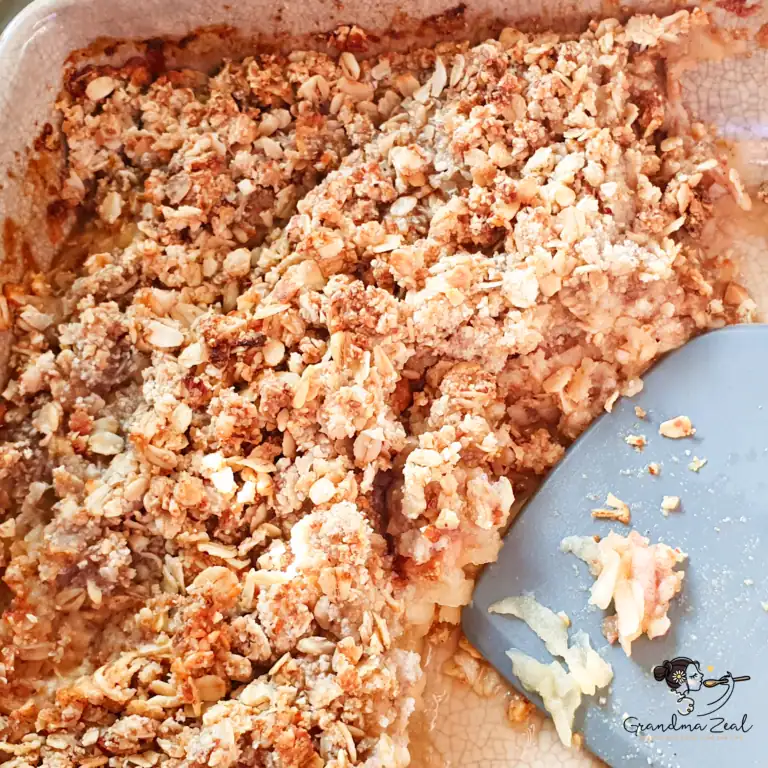
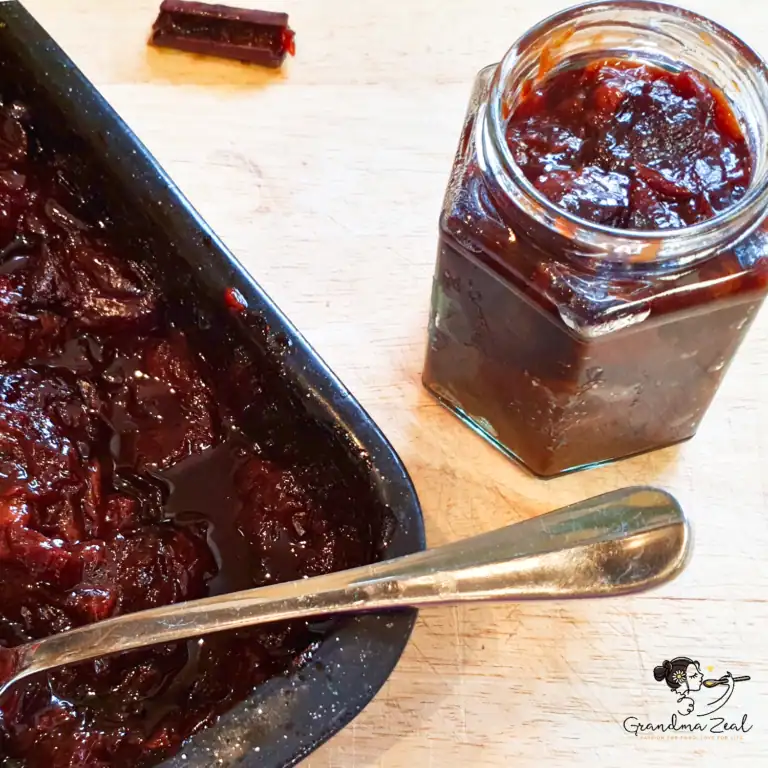
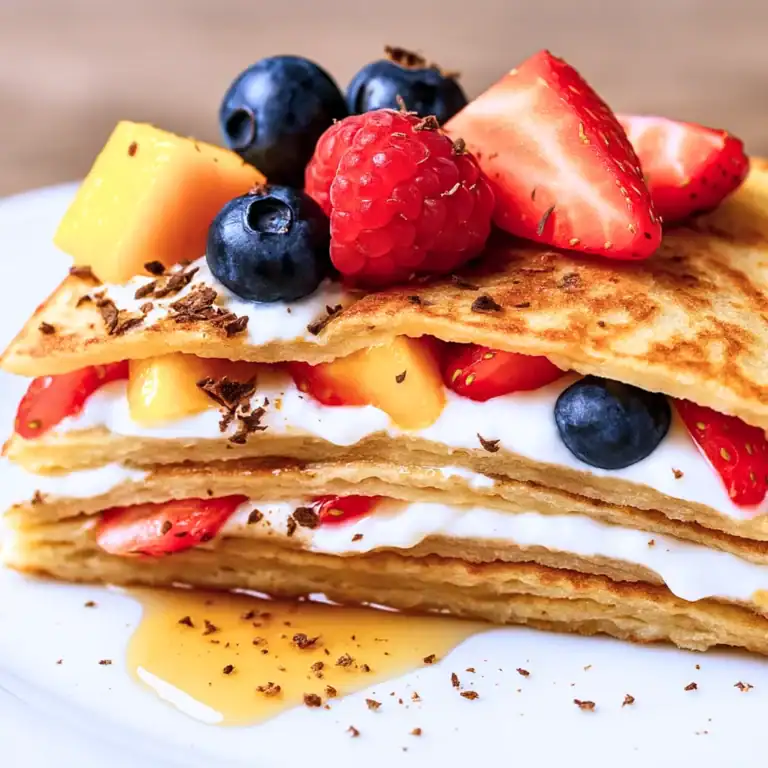
👉Looking for more ideas? Check out these related recipes for more simple, tasty, and protein-packed inspiration:
🍴 Made This Recipe?
✍️ Leave a comment below and tell me how your homemade protein bars turned out! Did you add nuts, swap the flavour, or try a no-bake version?
⭐️ Don’t forget to rate the recipe—it helps more food lovers find it!
As an Amazon Associate, I earn from qualifying purchases.
HOMEMADE PROTEIN BARS RECIPE: 7 POWERFUL REASONS TO DITCH STORE-BOUGHT SNACKS

Cooking Tools
- 9×13 inch baking pan or other medium size baking tray
- food processor
Ingredients
- 4 Fresh figs - or fresh plums
- 1 cup Almond flour
- 2 scoops PEScience Snikerdoodle protein powder - or protein powder of your prefferences
- 1 tsp Baking powder
- pinch Salt
- 1/2 cup Sugar-free nut butter - almond, m peanut or cashew
- 3 large Eggs - whole
- 1 tsp Coconut flour - optional for firmer pastry
- 1/2 cup Chopped nuts - optional for crunchiness
- 2 tbsp Dark chocolate 85% - optional
Instructions
- Preheat oven to 175°C / 350°F. Line a 9×13 inch pan with parchment.
- Mash figs in a bowl. Add nut butter and eggs, whisk until smooth.4 Fresh figs, 1/2 cup Sugar-free nut butter, 3 large Eggs
- In another bowl, combine almond flour, coconut flour, protein powder, baking powder, and salt.1 cup Almond flour, 2 scoops PEScience Snikerdoodle protein powder, 1 tsp Baking powder, pinch Salt, 1 tsp Coconut flour
- Mix wet and dry ingredients. Optional add chopped nuts and grated dark chocolate.1/2 cup Chopped nuts, 2 tbsp Dark chocolate 85%
- Spread into a pan and bake until set and golden about 20-25min.
- Let Cool, slice, and enjoy your high-protein snack bars.
Beyond the Recipe…
There’s more than recipes here: personal stories, favourite spots, and a few food myths I’ve challenged.

I was looking for a baking protein recipe. I used plums instead of figs. Still delicious.
Great recipe. Now I have a new addiction without the guilt☺️
Thank you for sharing this recipe