Many people hit midlife wondering how to age strong without feeling exhausted or broken. The good news? It’s not too late — and it doesn’t take hours in the gym.
Time to Rethink What Ageing Looks Like
The woman at the gym looked nervous as she leaned in to whisper to her trainer. She wanted to “tone up” but definitely not get “too bulky.” At fifty-three, she genuinely believed that lifting anything heavier than a five-pound dumbbell might somehow turn her into a bodybuilder overnight.
Meanwhile, her husband sat at home, rubbing his sore knees. His stiff back and creaky joints? He just saw them as part of getting older — nothing he could do but live with it.
This kind of thinking plays out in gyms, living rooms, and doctors’ offices across the country every day. And honestly, it breaks my heart.
Recently, I listened to a podcast episode that shifted my perspective. Dr Vonda Wright on The Diary of a CEO. She’s an orthopaedic surgeon and longevity expert, and what she said challenged so much of what we’ve been taught about ageing.
Many people view ageing as a gradual decline in strength, mobility, and energy. We’re told that muscle loss, weakness, and falls are just part of getting older, and we’re often expected to accept it, rather than push back or look for ways to change it.
But what if that entire story is wrong?
Because here’s the truth: midlife is not the time to slow down. It’s the time to get strong — for real. Not just “toned.” Not just flexible. Strong in a way that helps prevent muscle loss, supports your bones, improves balance, and protects your independence for years to come.
It isn’t about vanity or unrealistic goals. It’s about power, energy, and ageing with confidence.
If you want to know how to age strong, this is where it starts — by challenging the myths and choosing strength.
Your Body Isn’t Broken – You’ve Just Misunderstood It
The human body after fifty doesn’t fall apart — it changes. And it’s far more capable than most people realise.
We’ve grown up with the idea that midlife means decline. Those aches, stiffness, and slowing down are signs that we should take it easy. But science tells a different story, one that’s far more encouraging.
Your bones, muscles, and joints stay adaptable well into later life. They respond to movement, resistance, and impact — and in many ways, they rely on it. When you challenge your body, even after fifty, it responds by getting stronger. That’s the heart of how to age strong. It’s also one of the most effective approaches to preventing osteoporosis through exercise.
The problem isn’t ageing — it’s how we’ve learned to respond to it.
We start to believe that every little ache means we’re wearing out. That being tired means we should do less. So we begin to move less, lift less, and expect less — and eventually, we do become weaker. Not because we aged, but because we stopped using what we had. That’s how muscle loss starts to affect your balance, mobility, and independence — slowly, through habits we don’t even question.
“You don’t stop lifting because you grow old — you grow old because you stop lifting.”
(inspired by George Hackenschmidt)
“Strong people are harder to kill than weak people — and more useful in general.”
(Mark Rippetoe)

In a recent podcast interview, Dr Vonda Wright explained something that blew my mind: bones don’t just hold us up; they communicate with the rest of the body. They’re involved in metabolism, immunity, and even brain function. Strengthening your bones isn’t just good for your posture; it’s also a key step in preventing osteoporosis through exercise.
That means building strong bones isn’t just about preventing fractures but about staying sharp, energetic, and well.
It changes everything.
Instead of managing decline, we need to shift focus. Midlife is the ideal time to focus on strength training for your muscles, bones, and mindset, to carry you forward with power and purpose. Preventing falls with strength training is one of the smartest ways to stay steady, strong, and independent as you age.
Stay in touch
If you like the content, subscribe to my monthly newsletter to get updates about new articles.
I promise – no spam, no inbox flooding.
The Independence Crisis Nobody Talks About
Losing independence doesn’t happen overnight. It slips away in small, subtle ways so gradually that most people don’t even notice it at first.
You stop carrying all the groceries at once. You avoid stairs. You hesitate before stepping off a curb or reaching for something high. None of it seems dramatic, but each small change is a quiet step away from full autonomy.
The worst part isn’t just the physical limitation — it’s what it does to your confidence. You start to feel less capable. Less steady. More reliant on others for things you once handled without a second thought.
But here’s the good news: most of this is preventable.
The difference between someone who stays active and independent into their eighties and someone who feels frail in their sixties often comes down to what they did in their forties and fifties. It’s how to age strong by making strength a priority before you need it.
Experts describe muscle as a “longevity reserve.” It’s like an insurance policy for your future. Strong muscles protect your joints, support your bones, improve your balance, and reduce your risk of injury.
Think about it: the fear of falling isn’t really about the fall. It’s about whether your body can catch you, whether your bones can handle the impact, and whether you can get back up again.
That’s why preventing falls with strength training matters. It’s not just about fitness, it’s about freedom.
And all of that starts in midlife.
The Critical Decade Myth and Why It’s Never Too Late
Many people learn that their twenties are the “critical decade” for building strong bones — and while that holds some truth, it’s also misleading. Yes, we tend to reach peak bone density in early adulthood, but missing that window doesn’t mean you’ve lost your chance to improve your bone health.
In fact, it’s never too late to start.
Research now shows that our bones continue to respond to strength and impact well into older age. A seventy-year-old starting a well-designed resistance training programme can still build bone density, improve balance, and reduce the risk of fractures. The progress might be slower than in a twenty-five-year-old, but it’s real and it matters.
That truth changes everything because learning how to age strong is about taking control of what you can do today.
If you start strength training at fifty-five, you’re not too late. You’re right on time to shape the next thirty years of your life.
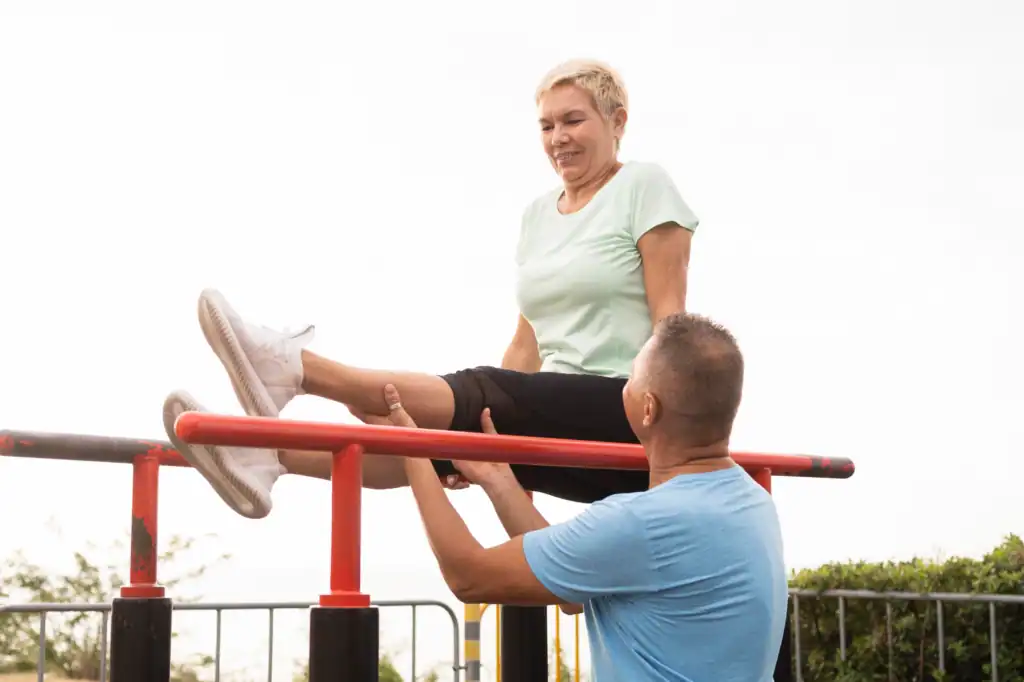
As we progress through different stages of life, our training approach should evolve accordingly. High-impact and intense workouts are not necessary to achieve results. During midlife, the focus should be on functional movement, balance, progressive overload, and appropriate recovery. This thoughtful approach not only helps prevent osteoporosis through exercise but also protects your body in the long term.
The best part? The benefits come quickly.
Within a few weeks, you may notice increased energy and improved sleep. Within a few months, tasks like lifting shopping bags, climbing stairs, or chasing grandkids suddenly feel easier. These small, everyday wins are a clear sign you’re heading in the right direction and a great reason to keep going.
Beyond the Physical: The Mental Strength Revolution
The changes you see from strength training aren’t just physical; the mental shift can be even more powerful.
There’s something deeply energising about realising that your body can still adapt, grow, and improve even when you thought those days were long gone. That discovery sparks confidence, not just in your body, but in your whole life.
Many people who start strength training in midlife report feeling more assertive at work, more open to new experiences, and more hopeful about their future. That’s not a coincidence. It’s the natural result of proving to yourself that you’re still capable of change and of doing hard things.

It’s one of the most overlooked benefits of learning how to age strong: the mindset shift. The strength you build in your muscles also builds in your thinking. You stop seeing ageing as decline, and start seeing it as an opportunity.
It’s especially important during midlife when many people face significant transitions, such as changes in career, relationships, health, or purpose. Resistance training provides a solid foundation to navigate these changes. It serves as a reminder that, while you may not be able to control all aspects of how your body changes, preventing muscle loss in ageing is very much within your reach.
When you choose to move with purpose, eat with intention, and show up for your own health, you’re not just building muscle; you’re building resilience.
Small Steps, Massive Impact
Building strength in midlife doesn’t mean overhauling your entire life or chasing perfection. What matters most isn’t intensity; it’s consistency.
Even two resistance training sessions a week, performed with good form and steady progression, can lead to powerful results over time. That’s the real path to ageing strong.
You don’t need fancy equipment, expensive memberships, or complex routines. The beauty of strength training for longevity lies in its simplicity. Every rep, every session, every week, everything adds up. And it all counts.
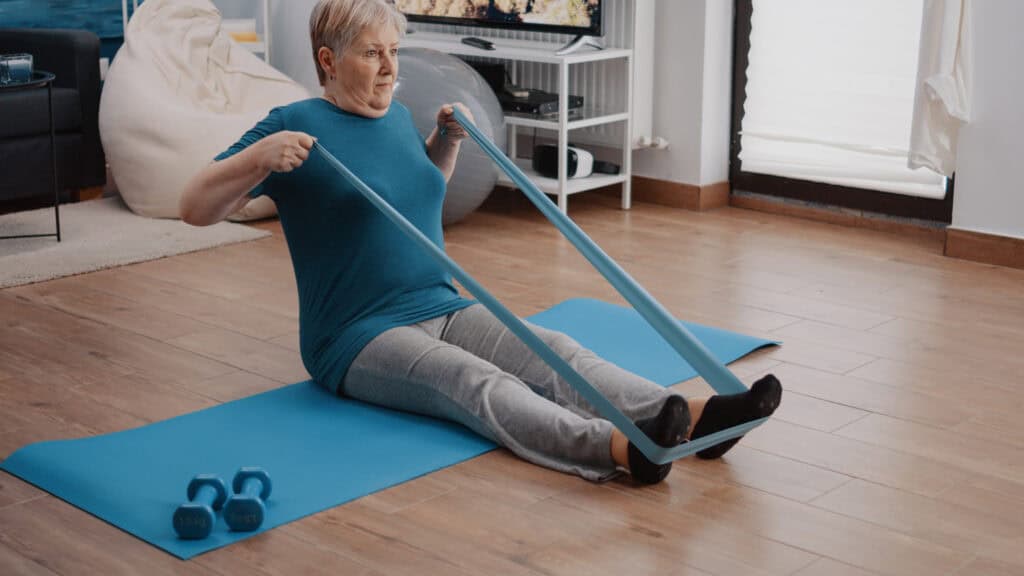
If you’re a complete beginner, start small. Walk more. Add a few bodyweight exercises. Use a resistance band. What matters is starting and sticking with it.
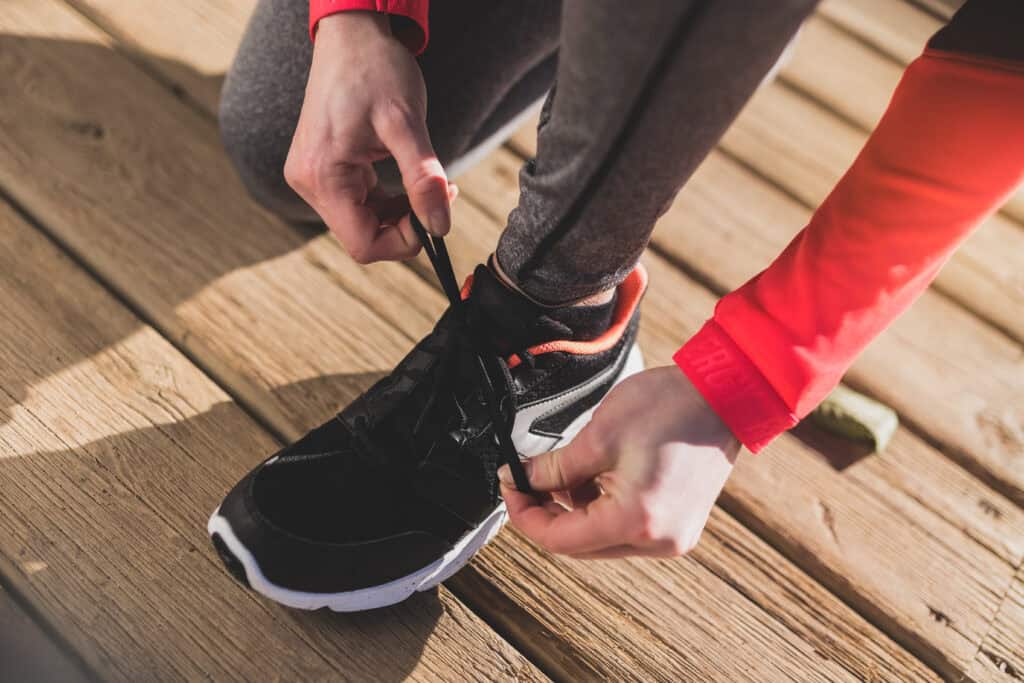
No one begins as an expert. And you don’t need to be an athlete or powerlifter. You need to become a stronger, more capable version of yourself. It’s not just about strength; muscle loss also affects balance, making everyday tasks riskier than they need to be. Preventing muscle loss in ageing starts with simple, repeatable steps.
Strength training doesn’t need to happen in a gym. You can train in your living room, at the park, or in a local class. What matters isn’t where you move; it’s that you move with purpose and consistently challenge your body.
Your strongest years are not behind you. The idea that ageing means decline is not only wrong, but also harmful. When we expect weakness, we act accordingly. But when we expect strength, we take steps to build it.
The choices you make now shape the body you’ll live in at seventy, eighty, or ninety. Every day you delay is a missed opportunity. But every day you show up is a day of strength gained.
Midlife isn’t the end of your story; it’s the beginning of your strongest chapter yet.

What would you like to read now?
There’s more here: favourite places, personal stories, broken food myths, recipes and more.
Either way, I’m glad you’re here.