
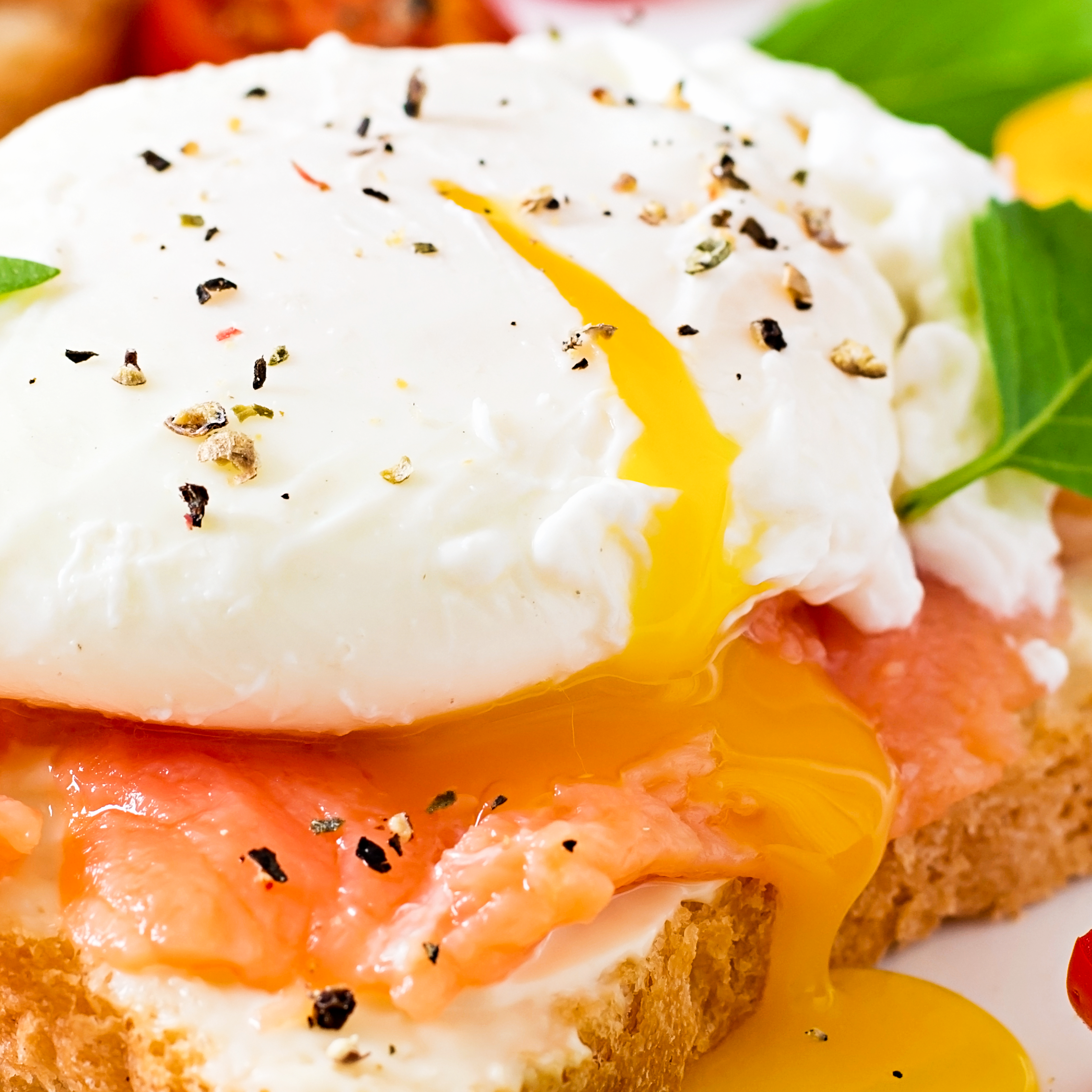
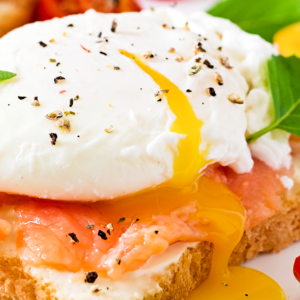
If you love eggs, you’ll see that making a perfect poached egg is relatively easy. This excellent cooking method involves gently simmering an egg in water without its shell, resulting in a beautifully delicate texture and a runny yolk.
A poached egg is a popular choice for breakfast, brunch, and even as a topping for salads. Not only are they delicious, but they’re also a healthier alternative to fried eggs.
In this article, I share with you my method of how to poach an egg. It’s super easy, and I guarantee you’ll get the perfect poached egg every time. If you’ve struggled with this technique in the past, don’t worry; I’ve got your back!
Just follow my method, and you’ll be a pro in no time. So, let’s get cracking and make some delicious, perfect poached eggs together!
Why Are Poached Eggs So Popular
One of the main reasons why poached eggs are so popular is their delicate and silky texture. When done right, the egg whites should be firm yet tender while the yolk remains gloriously runny. This unique texture is hard to achieve with other cooking methods, which makes poached eggs a favourite among food enthusiasts.
According to Cult.fit, the term poached originates from the French word poché, which means small pouch or pocket. Poaching is an ancient cooking technique to prepare delicacies like dumplings and nut custard.
Versatility
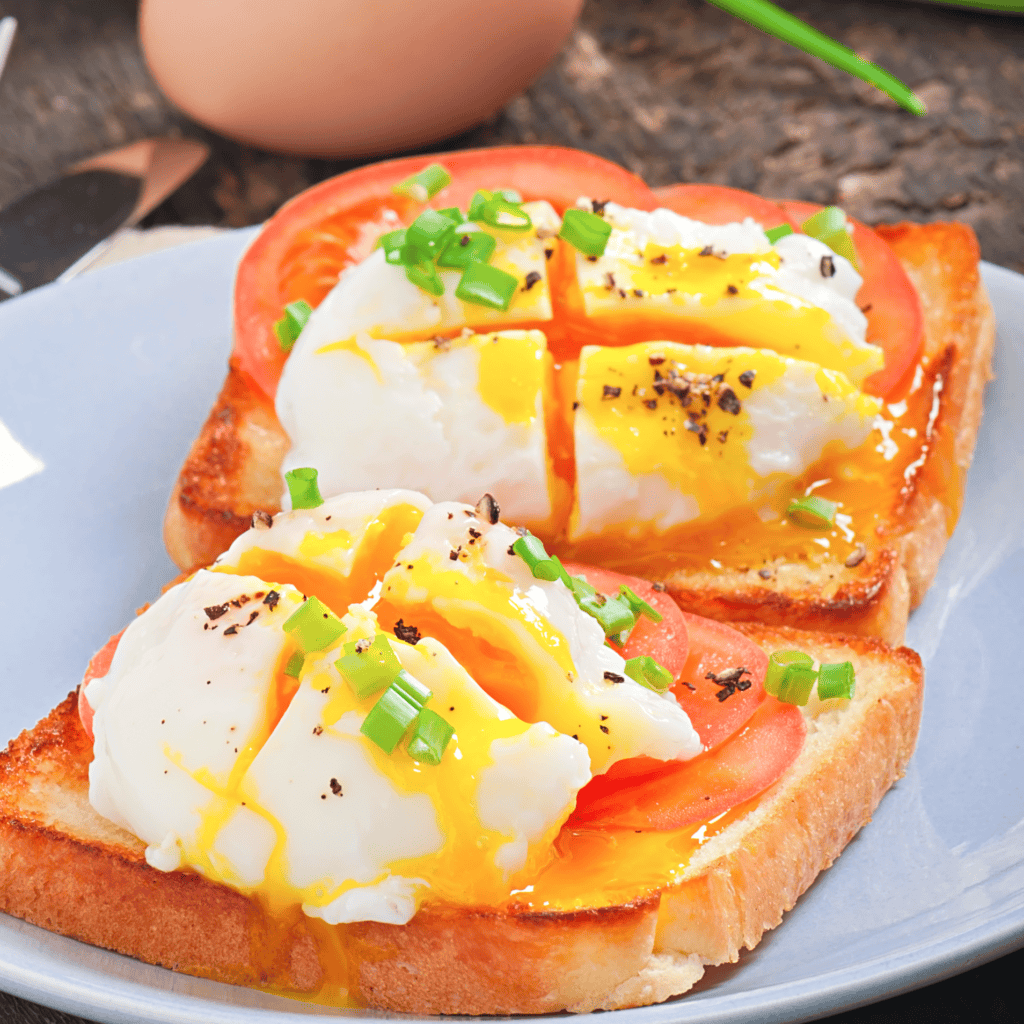
Poached eggs are incredibly versatile, and you can enjoy them in various ways. Whether served on a slice of toast, as a topping for eggs Benedict, or nestled atop a salad, poached eggs add a touch of elegance to any dish.
Health Benefits
Unlike fried eggs, poached eggs are cooked without added fat, making them healthier. They are also a good source of high-quality protein, essential vitamins, and minerals, making them a nutritious choice for any meal.
What do you need to make a perfect poached egg
Ingredients:
- egg
- white vinegar or cider vinegar, optional
- a pot with boiling water
NOTE:
Adding a splash of white vinegar to the simmering water can help the egg whites coagulate faster, resulting in a neater shape. This step is optional, but can be helpful, especially for beginners.
How to poach an egg
1/ Fill a medium-sized saucepan with about 3 inches (8cm) of water.
2/ Bring the water to a gentle simmer over medium heat. You should see tiny bubbles forming at the bottom of the pan.
3/ Crack a fresh egg into a small bowl or ramekin to make sliding the egg into the water easier.
4/ Add a white or cider vinegar splash to the boiling water.
5/ Gently swirl the simmering water in the saucepan with a spoon to create a whirlpool. This motion will help the egg whites wrap around the yolk as it cooks.
6/ Then, carefully slide the cracked egg into the centre of the swirling water. The whirlpool motion will help the egg maintain its perfect shape.
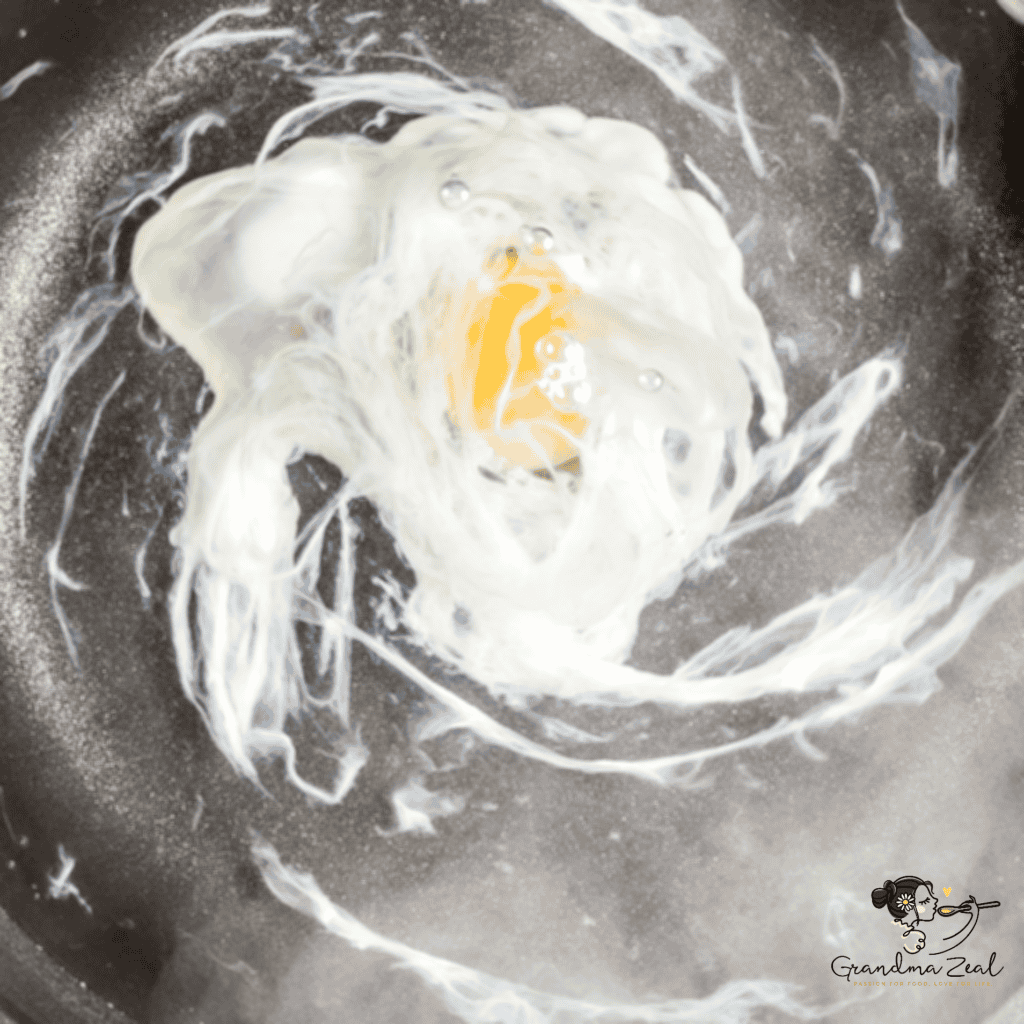
7/ Let the egg slowly simmer for about 2-3 minutes for a runny yolk or 4 minutes for a firmer yolk.
8/ Use a slotted spoon to carefully lift the poached egg out of the water and let any excess water drain.
NOTE:
For better results, you can also put the egg in a fine colander in step 3 to let the runniest part of the egg white drip off.
Stay in touch
If you like the content, subscribe to my monthly newsletter for updates about new articles.
I promise – no spam, no inbox flooding.
Poached egg serving ideas
- For a satisfying breakfast or brunch option, serve a poached egg on a bed of creamy avocado toast topped with chilli flakes and a drizzle of balsamic glaze.
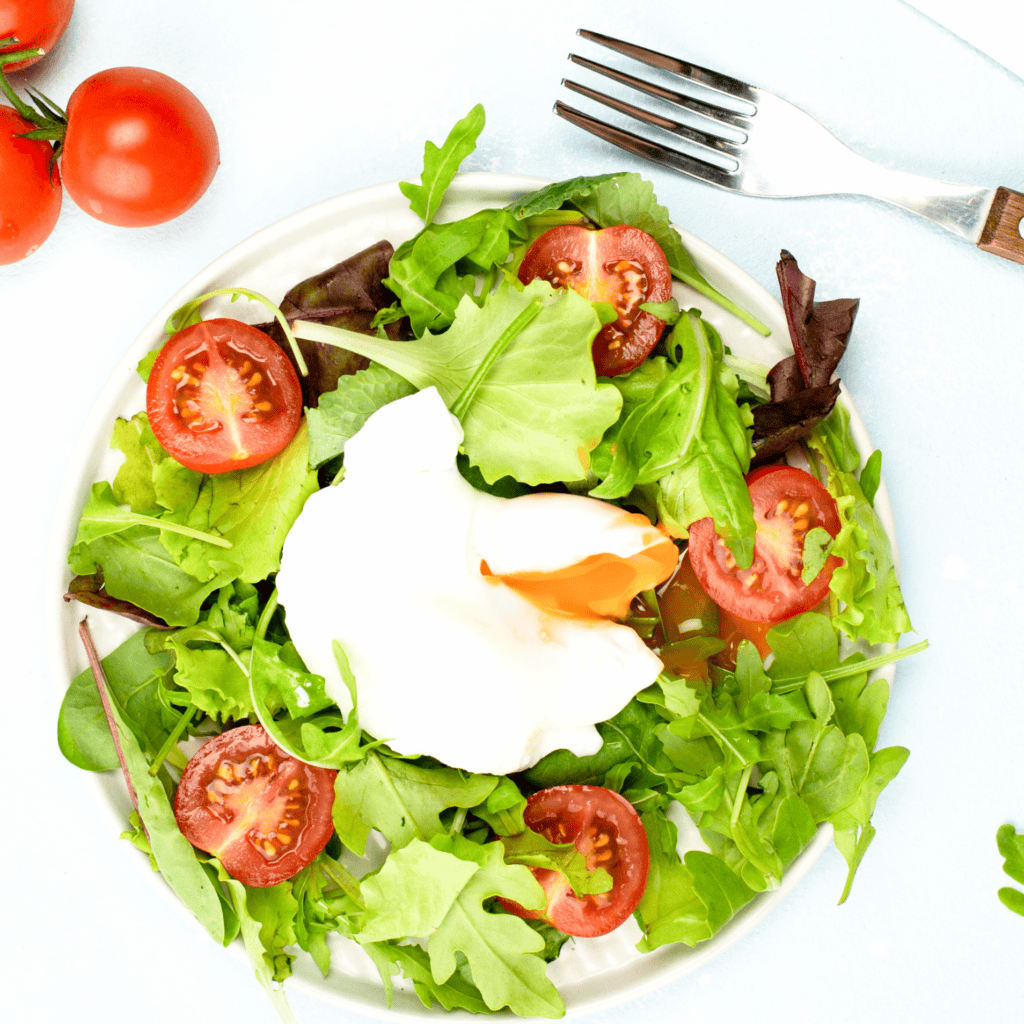
- Place the poached egg atop a green salad.
- Or add it to a flavourful quinoa and roasted vegetable salad, adding a burst of richness when the yolk mingles with the warm grains and vegetables.
- Incorporate the poached egg into a classic Egg Benedict, pairing it with bacon and hollandaise sauce.
- Add your perfectly poached egg to a bowl of piping hot broth, allowing the rich yolk to enhance its savoury flavour.
- Another idea is to serve a poached egg on top of chilli con carne to add a delicious and luxurious touch to those dishes.
- Last but not least, top your ratatouille with a poached egg or two to elevate it to a completely different level.

Looking to elevate your meals with something both delicious and healthy? Learning how to poach an egg is a simple skill that adds a touch of elegance to your everyday cooking. This method creates a perfect poached egg with a silky white and a rich, runny yolk — ideal for breakfast, brunch, or even a light dinner.
Imagine plating up a perfect poached egg like a pro — your friends and family will be seriously impressed!
So why wait? Master how to poach an egg today and enjoy a satisfying, nutritious meal upgrade.
Try this:
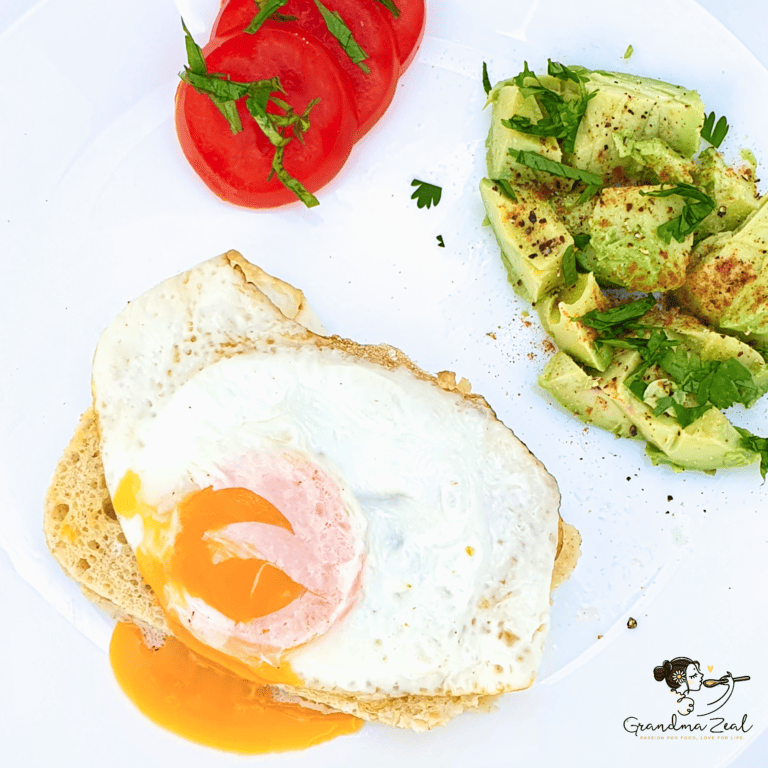
Make a poached egg instead of a fried egg for the EASY BREAKFAST (EGGS AND AVOCADO) recipe.
🍴 Made This Recipe?
✍️ Leave a comment below and tell me how your poached eggs turned out! Did you serve them on toast, salad, or something different?
⭐️ Don’t forget to rate the recipe — it helps more food lovers find it!
As an Amazon Associate, I earn from qualifying purchases.
HOW TO COOK PERFECT POACHED EGG

Cooking Tools
- sauce pan
- slotted spoon
- ramekin or small bowl
Ingredients
- 1 Egg
- 1 tsp White vinegar - or Cider vinegar
Instructions
- Boil the water.
- Break the egg into a ramekin or small bowl.
- Add vinegar into boiling water and gently swirl to create the whirlpool effect.1 tsp White vinegar
- Carefully slide the cracked egg into the centre of the swirling water. For a better result, you can additionally put the egg in a fine colander to let the runniest part of the egg white drip off.1 Egg
- Then carefully slide the cracked egg into the centre of the swirling water. The whirlpool motion will help the egg maintain its shape.
- Let the egg cook in a lightly simmering water for about 2-3 minutes for a runny yolk or 4 minutes for a firmer yolk.
- Use a slotted spoon to carefully lift the poached egg out of the water and let any excess water drain off.
- Put it on the top of your favourite meal or eat on it's own or with some lettuce.
Beyond the Recipe…
There’s more than recipes here: personal stories, favourite spots, and a few food myths I’ve challenged.

This worked exactly as written, thanks!